Rodent Proofing for Michigan Homes: How to Keep Mice and Rats Out This Winter
Rodent Proofing for Michigan Homes | Anteater Pest Control
When Michigan temperatures start to drop, homeowners often begin noticing signs of mice and other rodents inside their homes. Scratching sounds in the walls, droppings in the basement, noises in the attic, or a mouse running across the kitchen floor can all be signs that rodents have found a way inside.
The good news is that many rodent problems can be reduced or prevented by addressing the places where rodents enter in the first place.
Rodent proofing, also called rodent exclusion, is the process of identifying and sealing openings that allow mice and other rodents to enter a home. For Michigan homeowners, this is especially important before and during the colder months when rodents are looking for food, shelter, and a warm place to nest.
At Anteater Pest Control, we inspect homes throughout Southeast and Mid-Michigan for rodent activity and potential entry points. In this guide, we'll explain where Michigan homeowners should look, what materials should be used to seal openings, common signs of rodents, and when professional rodent control may be necessary.
Why Do Mice Come Inside Michigan Homes in Winter?
Rodents don't necessarily move indoors because they are attracted specifically to your house. Your home simply provides many of the things they need to survive.
During Michigan's colder months, homes can provide:
- Warmth
- Protection from snow and freezing temperatures
- Food and water
- Insulation for nesting
- Dark, undisturbed areas
- Easy access to attics, walls, basements, and crawl spaces
A small opening in the exterior of a house can give mice access to much larger areas inside the structure.
This is one reason why homeowners may suddenly start hearing scratching or finding droppings during the fall and winter even though they never noticed a problem during the summer.
How Small of a Hole Can a Mouse Fit Through?
One of the biggest misconceptions about mice is that a home has to have a large hole for rodents to get inside.
It doesn't.
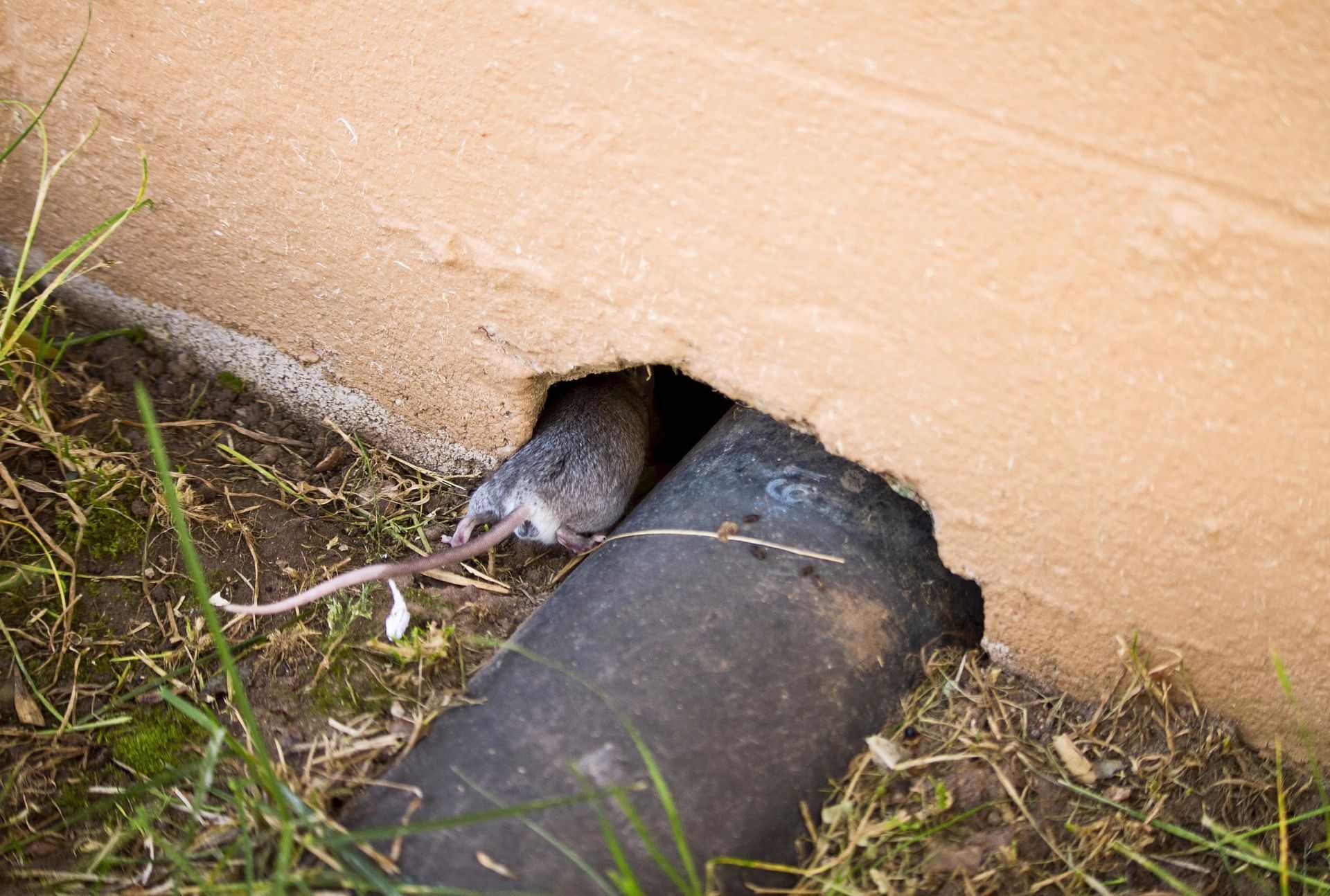
Mice can squeeze through openings around 1/4 inch in diameter, approximately the width of a pencil.
That means an opening that looks insignificant to a homeowner can be a legitimate rodent entry point.
Common problem areas include:
- Gaps around pipes and utility lines
- Cracks around the foundation
- Gaps around doors and garage doors
- Damaged door sweeps
- Foundation vents
- Crawl-space openings
- Attic vents
- Soffits and fascia
- Gaps around windows
- Openings around air-conditioning lines
- Dryer vents
- Plumbing penetrations
- Electrical penetrations
- Gaps where additions meet the original structure
- Damaged siding
- Gaps around the roofline
A complete rodent inspection should look at the entire exterior of the structure rather than simply searching for the location where a homeowner has already seen a mouse.
Where Should Michigan Homeowners Look for Rodent Entry Points?
1. Check the Foundation
The foundation is one of the first places to inspect.
Look for cracks, gaps, damaged mortar, openings around utility lines, and areas where the foundation meets siding or other building materials.
Older Michigan homes can have numerous potential entry points due to settling, deterioration, previous remodeling, or repairs that were never completely sealed.
2. Inspect Around Pipes and Utility Lines
Any location where a pipe, cable, wire, or other utility enters the home deserves attention.
Look underneath:
- Sinks
- Water heaters
- Furnaces
- HVAC equipment
- Electrical panels
- Utility rooms
Also inspect the exterior side of those penetrations.
A gap around a pipe can provide a direct pathway into wall cavities.
3. Check Garage Doors
Garage doors are another common problem area.
Pay particular attention to:
- Worn bottom seals
- Damaged weather stripping
- Gaps at the corners
- Gaps between the door and frame
- Cracks or openings in the garage foundation
Once a rodent gets into an attached garage, it may have additional opportunities to enter the living portion of the house.
4. Inspect Attic and Roofline Areas
Mice and other rodents can reach elevated portions of a home and enter through openings around the roofline.
Check:
- Soffits
- Fascia
- Gable vents
- Attic vents
- Roof penetrations
- Utility penetrations
- Areas where different roofing materials meet
Attic rodent activity can sometimes go unnoticed for long periods because homeowners rarely enter their attic.
5. Don't Forget Crawl Spaces and Basements
Basements and crawl spaces can provide rodents with quiet, sheltered areas close to potential entry points.
Look around:
- Foundation walls
- Floor drains
- Utility penetrations
- Crawl-space vents
- Sump pump plumbing
- Furnace and water heater areas
- Basement windows
- Door thresholds
What Are the Signs of Mice or Rodents Inside a House?
You don't always have to actually see a mouse to know that rodents are present.
Common signs include:
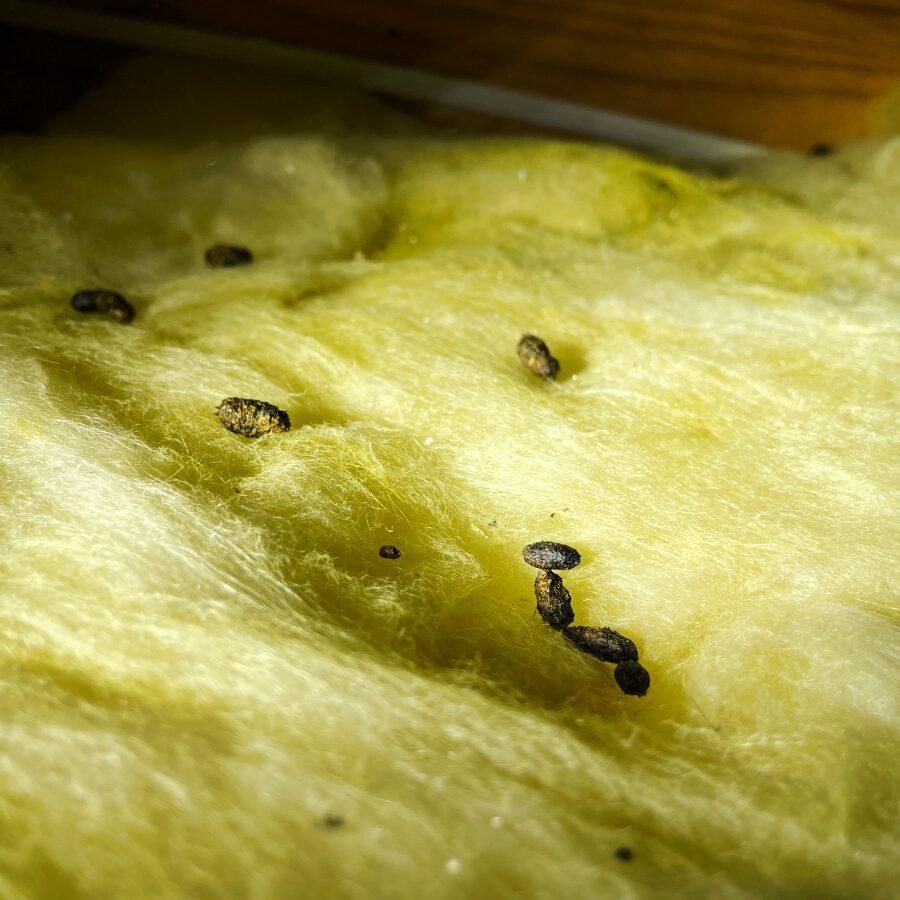
Mouse Droppings
Mouse droppings are often found near areas where mice travel or feed.
Look underneath:
- Kitchen cabinets
- Appliances
- Sinks
- Basement shelving
- Storage areas
- Along walls
- Near food storage
Scratching or Scurrying Sounds
Hearing scratching in walls or ceilings can indicate rodent activity.
Noises are particularly noticeable at night when the house is quiet.
However, sounds alone do not confirm that mice are responsible. Other wildlife can also enter attics, walls, and other parts of a home.
Gnaw Marks
Rodents need to continually wear down their teeth and may chew on a variety of materials.
Potential signs include:
- Chewed food packaging
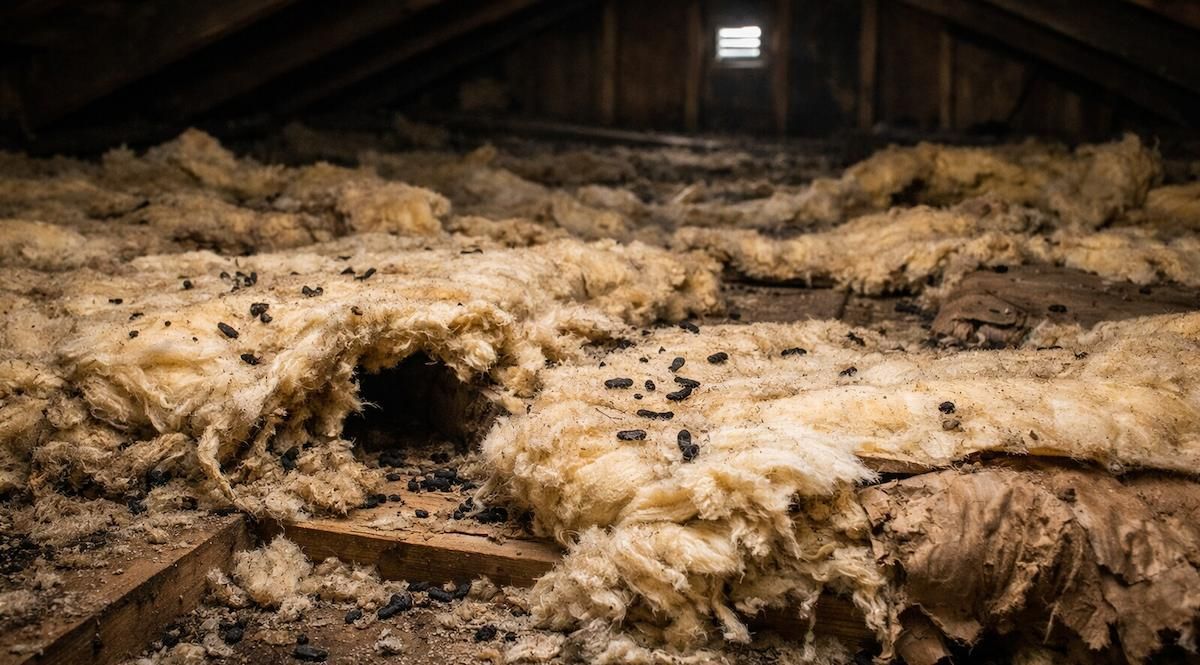
- Damaged insulation
- Chewed wood
- Damaged plastic
- Gnaw marks around openings
- Damaged wiring
Nesting Material
Rodents may gather materials such as:
- Shredded paper
- Fabric
- Insulation
- Dried plant material
- Cardboard
Nests are commonly found in quiet, protected areas.
Unusual Odors
A stale or musty odor in a previously unaffected area can sometimes accompany rodent activity, particularly when rodents are nesting or when an animal has died inside a wall or inaccessible area.
How to Rodent-Proof a Michigan Home
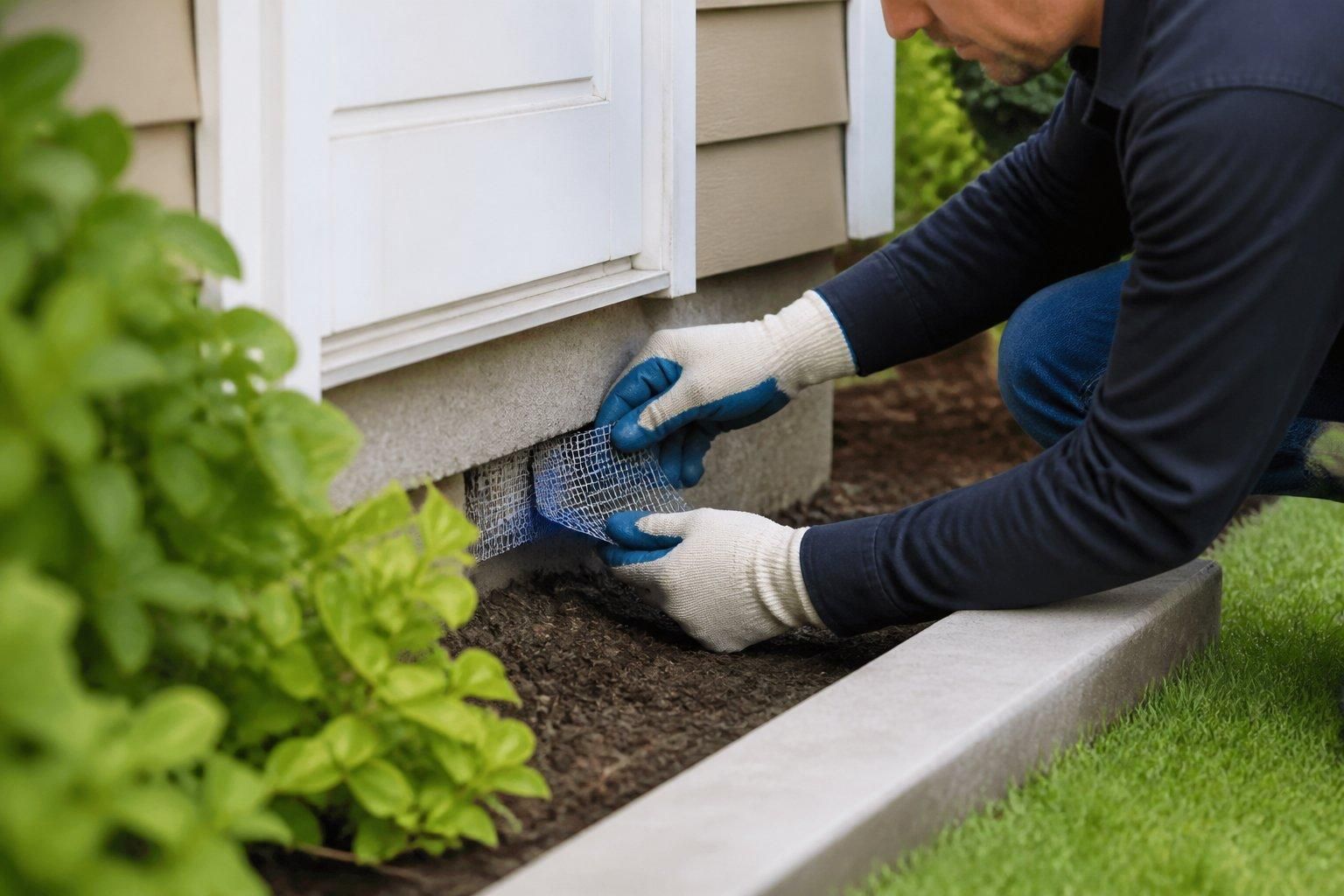
Rodent proofing starts with finding the entry points and sealing them with appropriate materials.
Seal Small Openings
Small gaps can sometimes be sealed using appropriate materials such as steel wool or copper mesh combined with a durable sealant.
The goal is to create a barrier rodents cannot easily chew through.
Use Hardware Cloth or Metal Materials for Larger Openings
Larger openings may require more durable exclusion materials such as hardware cloth, metal flashing, or other appropriate building materials.
This is particularly important around vents and other openings that still need to allow airflow.
Repair Door Sweeps and Weather Stripping
Exterior doors should close tightly against the threshold.
Replace damaged weather stripping and door sweeps when gaps are present.
Don't overlook the garage door.
Repair Damaged Vents
Foundation, crawl-space, attic, and other vents should be inspected for damage or openings large enough for rodents to pass through.
Keep Rodent Access to Food Limited
Rodent proofing isn't just about the structure itself.
Michigan homeowners should also reduce food sources around the home.
Keep:
- Pet food stored securely
- Bird seed contained
- Garbage in tightly closed containers
- Food scraps cleaned up
- Compost managed properly
- Grill areas clean
Outdoor bird feeders can also provide an easy food source for rodents.
Does Spray Foam Keep Mice Out?
Spray foam can be useful in some sealing applications, but spray foam by itself should not be considered a complete rodent-proofing solution.
Rodents can chew through certain soft materials, including some types of foam.
For rodent exclusion, the material used should be appropriate for the size and location of the opening and durable enough to resist chewing.
This is one reason professional rodent proofing involves more than simply walking around a house with a can of expanding foam.
What About Peppermint Oil, Dryer Sheets, or Ultrasonic Mouse Repellents?
There are countless products marketed online as ways to repel mice.
Homeowners may encounter recommendations involving:
- Peppermint oil
- Dryer sheets
- Ultrasonic devices
- Ammonia
- Predator scents
- Various household repellents
These products generally do not address the underlying problem if rodents have a physical route into the home.
If a mouse can enter through an opening, removing that opening is far more important than trying to make the house smell unpleasant to the mouse.
Michigan DNR also notes that the effectiveness of various small-rodent deterrents can be brief and that removing access to food and shelter is an important part of preventing conflicts.
Should You Seal a Hole If Mice Are Already Inside?
This is an important question.
If rodents are already inside a structure, simply sealing an obvious exterior opening may not solve the entire problem.
There may be additional entry points that haven't been discovered, and rodents already inside the structure still need to be addressed.
A proper rodent-control plan may involve a combination of:
- Inspection
- Identification of entry points
- Exclusion or sealing
- Trapping or other appropriate control methods
- Sanitation
- Monitoring
- Follow-up inspection
The appropriate approach depends on the type of rodent, where the activity is occurring, and how the structure is constructed.
Why Rodent Proofing Is Especially Important Before Winter
Fall is an excellent time to inspect a home for potential rodent entry points.
Once Michigan temperatures fall, homeowners often become much more aware of rodent activity because animals are seeking protected areas.
But winter isn't too late.
If you're already hearing scratching in the walls or finding mouse droppings in the basement, attic, garage, or kitchen, there may already be rodent activity inside the structure.
Rodent problems can also become more difficult to address when animals establish nests in areas that are difficult to access.
A Michigan Homeowner's Rodent-Proofing Checklist
Before winter, walk around the outside of your home and check:
Exterior
☐ Foundation cracks and gaps
☐ Holes around pipes and utility lines
☐ Garage door seals
☐ Exterior door sweeps
☐ Window gaps
☐ Foundation vents
☐ Crawl-space vents
☐ Attic vents
☐ Soffits and fascia
☐ Roofline openings
☐ Damaged siding
☐ Openings around HVAC lines
☐ Dryer vents
☐ Gaps around additions
Around the Property
☐ Secure garbage cans
☐ Store pet food properly
☐ Secure bird seed
☐ Clean up food around grills
☐ Remove unnecessary clutter near the foundation
☐ Keep firewood elevated and away from the house
☐ Reduce dense vegetation immediately against the structure
☐ Address standing water or other accessible water sources
Inside the Home
☐ Check underneath sinks
☐ Inspect around appliances
☐ Look for droppings in cabinets
☐ Check the basement
☐ Inspect the attic
☐ Look for damaged insulation
☐ Listen for scratching in walls or ceilings
☐ Look for gnaw marks
☐
Check utility rooms
When Should You Call a Professional for Rodent Control?
DIY prevention can be helpful, but professional help may be appropriate when:
- You are regularly seeing mice
- Droppings continue appearing after cleaning
- You hear activity in walls or ceilings
- You find nesting material
- Rodents are entering the attic
- You find signs of rodents in multiple areas
- You have attempted to seal openings but activity continues
- You cannot determine where rodents are entering
- You suspect rodents are damaging wiring or insulation
- You are dealing with rats rather than occasional mice
A professional inspection can help identify entry points that are easy to miss during a normal homeowner inspection.
Rodent Control and Rodent Proofing Are Not Always the Same Thing
It's important to understand the difference.
Rodent control focuses on addressing rodents that are already present.
Rodent proofing or exclusion focuses on preventing rodents from entering or re-entering the structure.
In many cases, the most effective long-term approach involves both.
Removing mice without addressing how they entered can leave the home vulnerable to another infestation.
Likewise, sealing a home without properly addressing rodents that are already inside may leave the homeowner with an ongoing problem.
The goal should be to address both sides of the problem.
Professional Rodent Control in Michigan
If you are hearing mice in your walls, finding droppings in your basement, or noticing rodent activity around your Michigan home, Anteater Pest Control can help determine what is happening and where rodents may be getting inside.
Our technicians inspect the situation and look for conditions that may be contributing to the problem before recommending the appropriate service.
Don't wait until spring to deal with a winter rodent problem.
The sooner potential entry points and rodent activity are identified, the sooner you can begin addressing the problem.
Need Help With Mice or Rodents?
Anteater Pest Control provides rodent and pest control services throughout Southeast and Mid-Michigan.
If you are dealing with mice, rats, or other unwanted pests this winter, contact Anteater Pest Control to schedule an inspection.
Anteater Pest Control
(248) 666-5357
AnteaterPestControl.com
Frequently Asked Questions About Rodent Proofing Michigan Homes
How do I keep mice out of my Michigan house in winter?
Start by inspecting the exterior for openings around the foundation, doors, garage, vents, pipes, utility lines, soffits, and roofline. Seal appropriate openings with durable rodent-resistant materials and remove accessible food and shelter around the property.
What size hole can a mouse fit through?
Mice can fit through openings approximately 1/4 inch in diameter. Even very small gaps around foundations, pipes, doors, vents, and utility lines can become potential entry points.
Why do I suddenly have mice in my house during winter?
Michigan homes provide rodents with warmth, shelter, food, and protection from outdoor conditions. As temperatures fall, rodents may take advantage of openings that allow them to enter the structure.
How do I know if I have mice in my walls?
Common signs include scratching or scurrying sounds, droppings, gnaw marks, nesting material, and occasional sightings. However, noises alone cannot confirm that mice are responsible.
Can mice chew through spray foam?
Some rodents can chew through foam and other relatively soft materials. Spray foam should not be relied upon as the only rodent barrier where a more durable exclusion material is needed.
Should I seal holes if I already have mice?
Potential entry points should be addressed, but an active infestation may require additional control measures. Sealing one obvious hole does not necessarily identify every entry point or remove rodents that are already inside.
Is rodent proofing worth it?
Rodent exclusion addresses one of the fundamental causes of recurring rodent problems: access to the structure. When combined with appropriate rodent control and sanitation, exclusion can help reduce opportunities for rodents to enter again.
Can Anteater Pest Control help with mice in the attic or walls?
Yes. If you are hearing rodents in your attic, walls, basement, garage, or other parts of your home, Anteater Pest Control can inspect the situation and determine what may be contributing to the activity.
Final Takeaway
Michigan winters create ideal conditions for homeowners to notice rodent activity, but you don't have to wait until you hear scratching in the walls to take action.
Inspect your home before winter, seal potential entry points, secure food sources, and address signs of rodent activity as soon as you notice them.
If mice or other rodents have already found their way inside, professional inspection and control can help identify the source of the problem and determine the next steps toward keeping them out.