Earwigs in Michigan: Why They're Showing Up Around Your Home and How to Keep Them Out
If you've started noticing earwigs crawling around your home, you're not alone. Every summer, homeowners across Michigan see a noticeable increase in earwig activity, especially after periods of rain and humidity. While their appearance can be unsettling, earwigs are more of a nuisance pest than a dangerous one.
Understanding why they're showing up and how to prevent them can help you keep your home comfortable all season long.
What Are Earwigs?
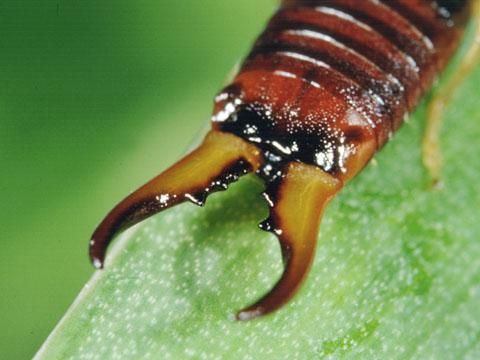
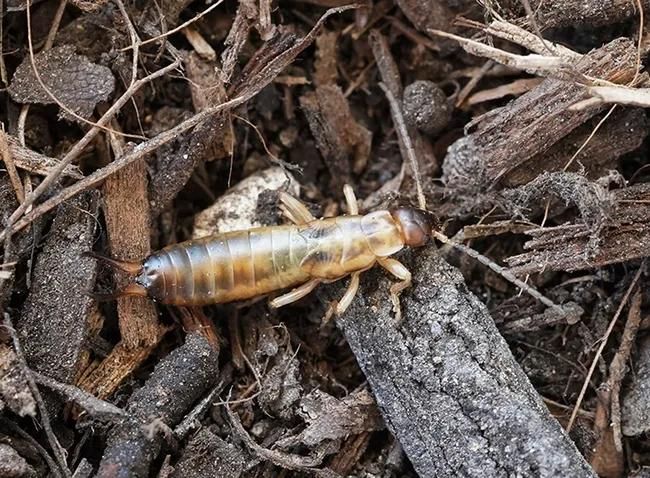
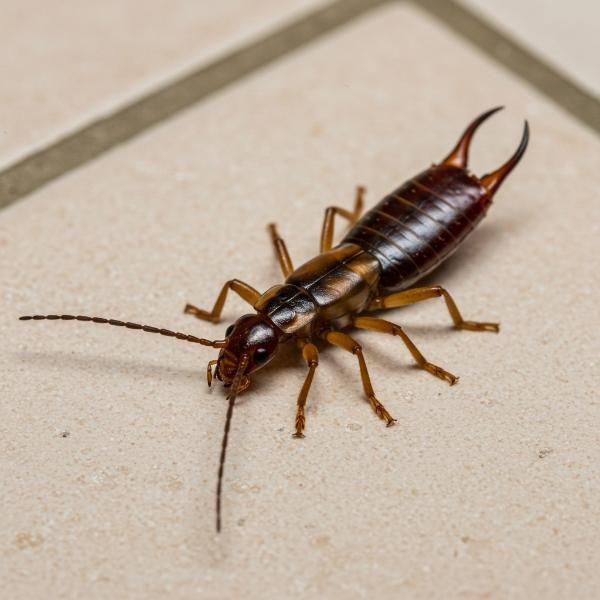
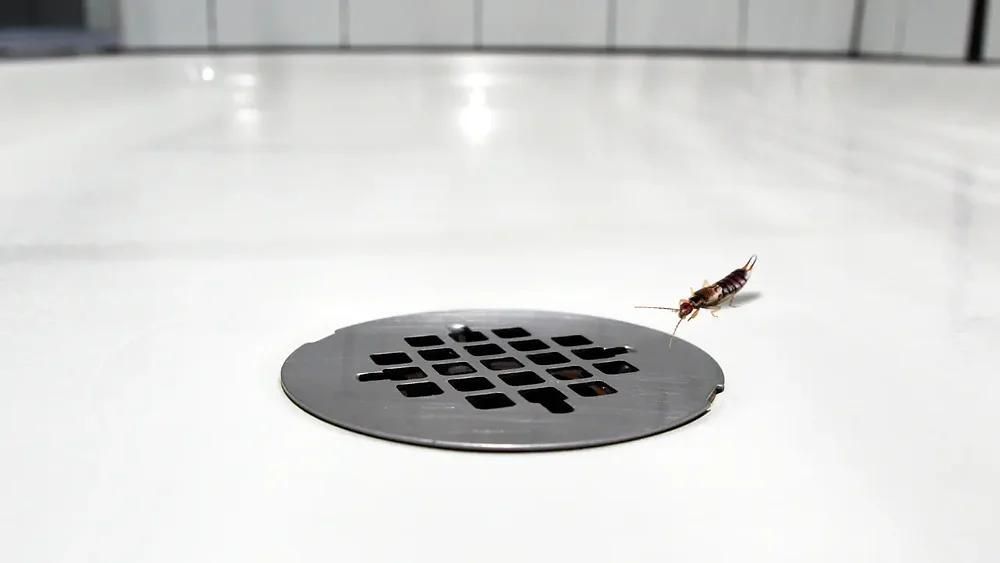
Earwigs are slender, reddish-brown insects that typically measure between ½ and 1 inch long. Their most recognizable feature is the pair of forceps, or pincers, located at the end of their abdomen. Although these pincers may look intimidating, they are rarely capable of pinching people and are not considered dangerous.
Despite old myths, earwigs do not crawl into people's ears or lay eggs there.
Why Are There So Many Earwigs This Year?
Earwig populations can fluctuate significantly from year to year depending on weather conditions. Michigan often experiences larger earwig populations after:
- Wet spring weather
- Frequent summer rainfall
- High humidity
- Thick mulch and landscaping that retains moisture
- Heavy leaf litter or organic debris around the home
Earwigs thrive in damp environments. When outdoor conditions become too wet, too dry, or food becomes scarce, they often wander indoors searching for shelter.
Where Do Earwigs Hide?
During the day, earwigs prefer cool, dark, and moist hiding places. Common locations include:
- Under mulch
- Beneath landscape stones
- Under firewood
- Around flower beds
- Beneath outdoor furniture
- Inside piles of leaves
- Around foundation cracks
- Basements
- Crawl spaces
- Bathrooms
- Laundry rooms
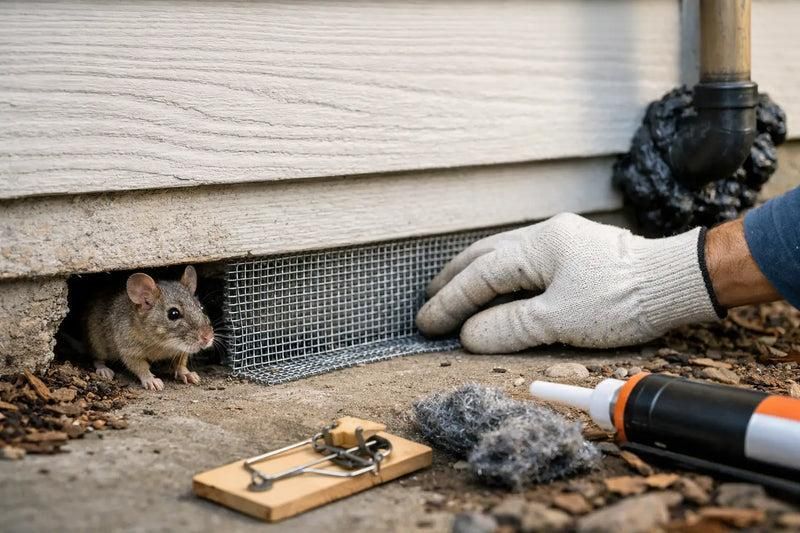
If you consistently find earwigs indoors, they're usually entering through small cracks around doors, windows, utility penetrations, or foundation gaps.
Are Earwigs Dangerous?
The good news is that earwigs pose very little risk to people or pets.
They do not:
- Spread diseases
- Damage the structure of your home
- Bite aggressively
- Reproduce indoors in large numbers
However, they can become a significant nuisance when populations grow large.
Earwigs may also feed on flowers, vegetables, seedlings, and ornamental plants, making them an occasional garden pest.
How to Prevent Earwigs Around Your Home
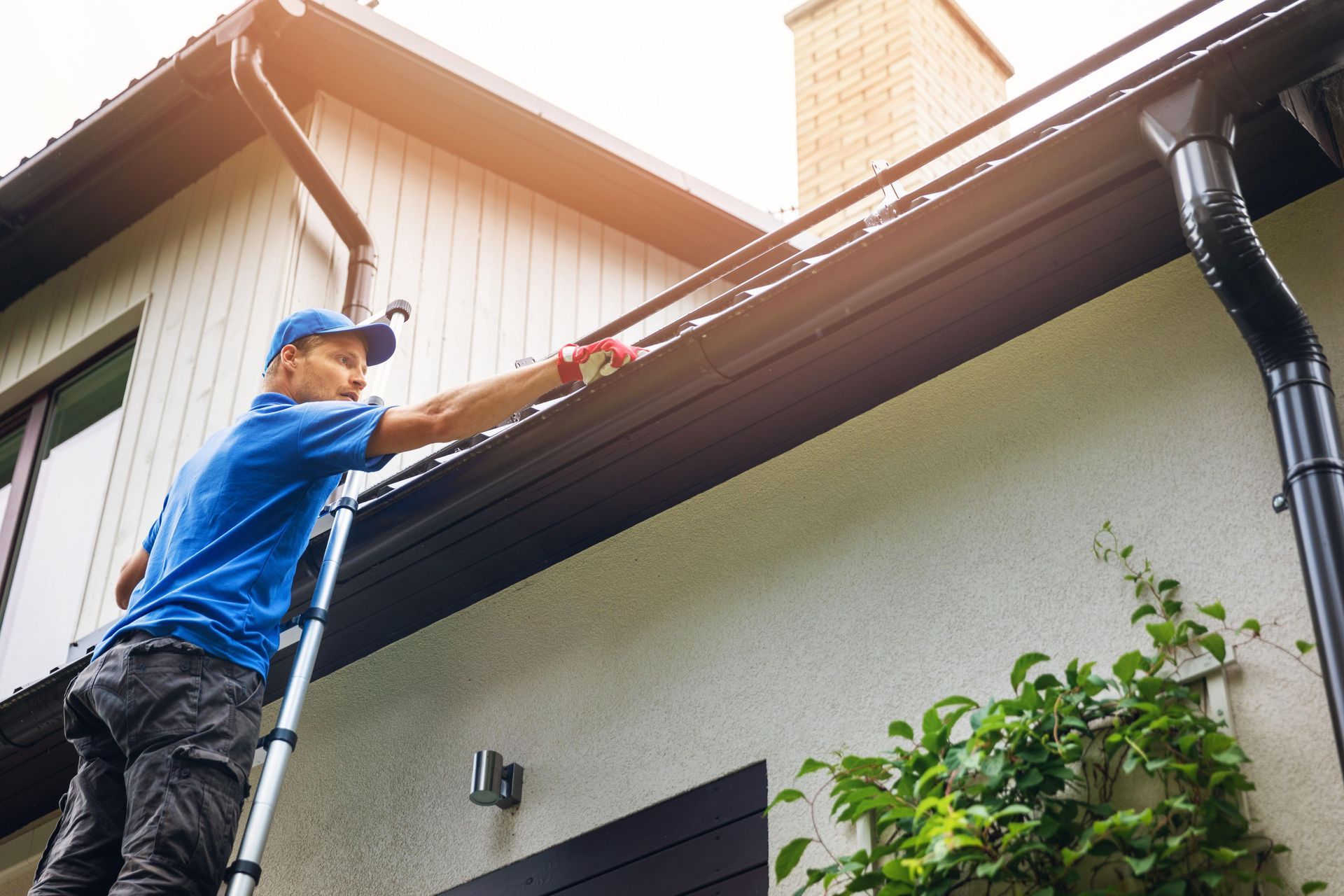

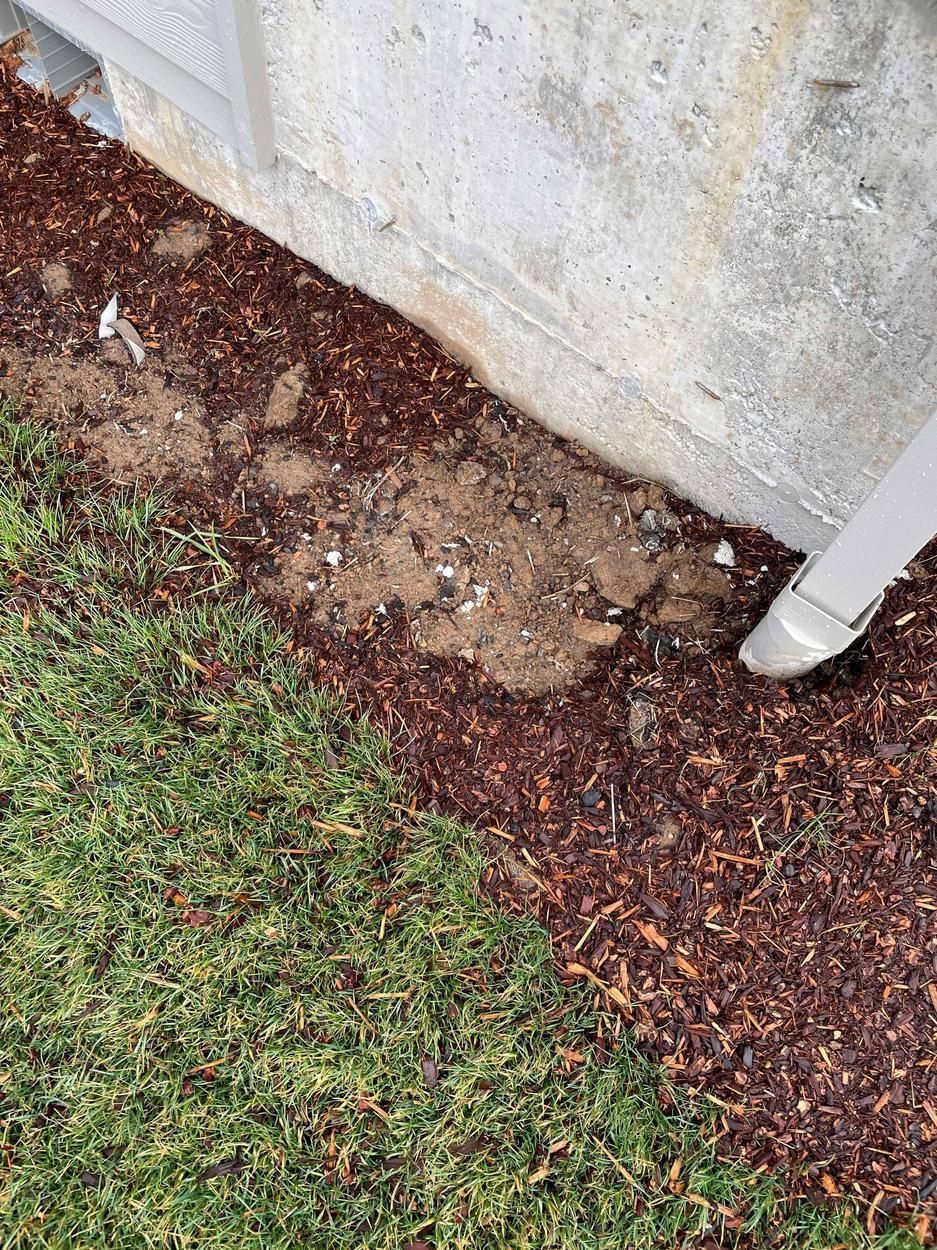
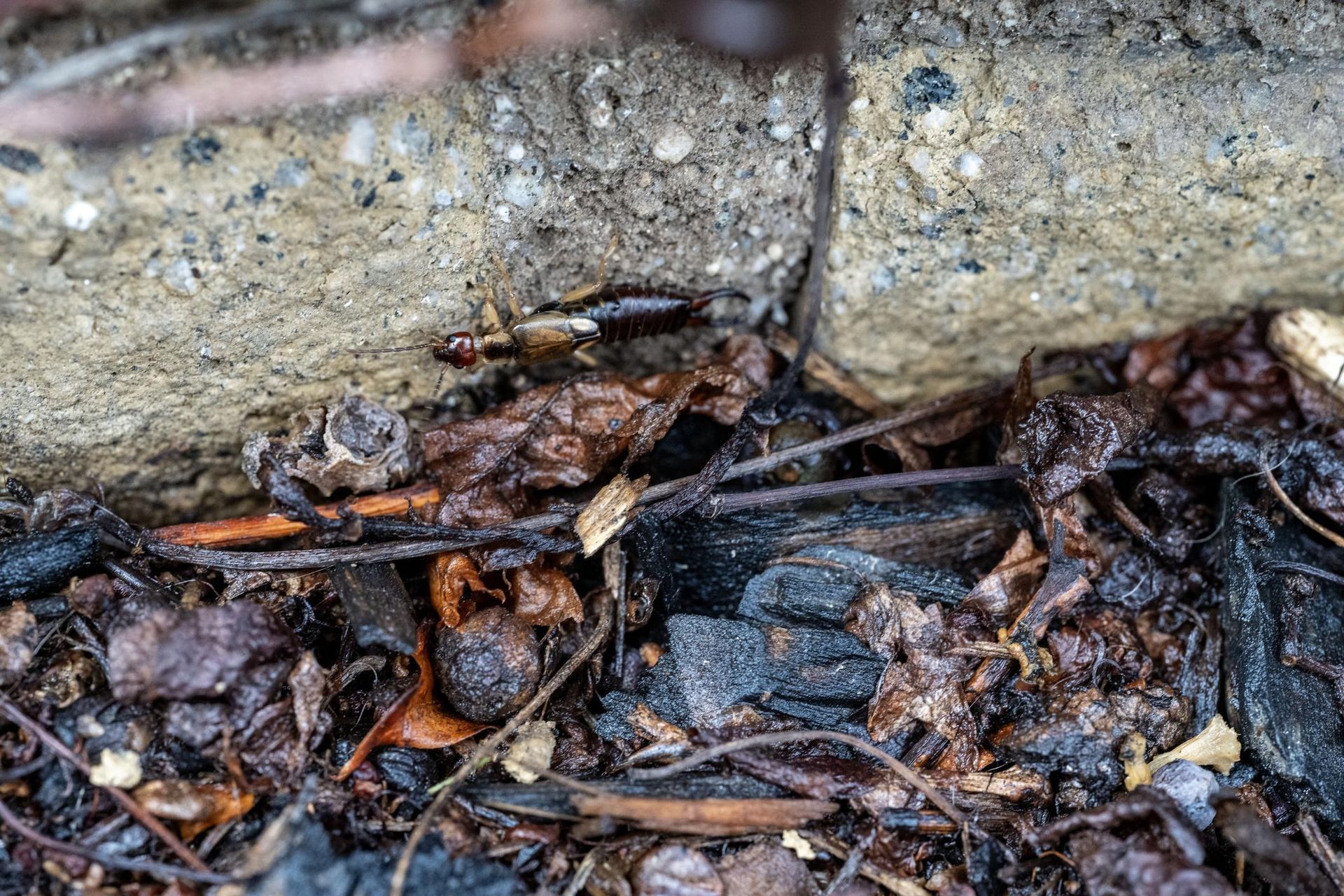
Reducing moisture is one of the most effective ways to discourage earwigs.
Some simple prevention tips include:
Reduce Moisture
- Repair leaking outdoor faucets.
- Improve drainage around your foundation.
- Avoid overwatering landscaping.
- Clean clogged gutters.
Modify Landscaping
- Keep mulch several inches away from the foundation.
- Remove leaf litter and excess organic debris.
- Store firewood away from the home.
- Trim vegetation touching the exterior walls.
Seal Entry Points
- Replace worn door sweeps.
- Seal foundation cracks.
- Caulk gaps around windows and utility lines.
- Repair damaged screens.
Exterior Pest Treatments
Professional perimeter treatments help reduce earwig populations before they find their way inside. Treating mulch beds, foundation areas, entry points, and other harborage zones can dramatically reduce seasonal activity.
Why You May Notice More Earwigs After a Pest Control Treatment
It's actually common to see increased earwig activity shortly after a professional exterior treatment.
As products begin working, earwigs hiding in mulch, landscaping, and other protected areas are flushed from their hiding places. This temporary increase in visible activity is often a sign that the treatment is reaching areas where the insects were living. Within several days, populations typically begin to decline.
When Should You Call a Professional?
If you're finding earwigs inside your home every day, especially in multiple rooms, it may indicate a large outdoor population that's continually making its way indoors.
Professional pest control can help by:
- Identifying where earwigs are entering.
- Treating exterior harborage areas.
- Reducing moisture-related pest pressure.
- Creating a protective barrier around your home.
- Helping prevent future infestations.
Keep Earwigs Outside Where They Belong
While earwigs are mostly harmless, they can quickly become an unwelcome nuisance when their numbers increase. Fortunately, with proper moisture management, home maintenance, and professional exterior treatments, most earwig problems can be brought under control.
If you're seeing earwigs throughout your home or around your landscaping, Anteater Pest Control can help. Our experienced technicians identify the source of the problem and provide targeted treatments designed to reduce earwig populations and help keep them from coming back.
Contact Anteater Pest Control today to schedule your inspection and enjoy a home that's protected from earwigs and other common Michigan pests.