4 Signs Bats Are Hibernating in Your Home This Winter
Admin • November 26, 2020
Hibernating Bats — Waterford, MI — Anteater Pest Control Inc

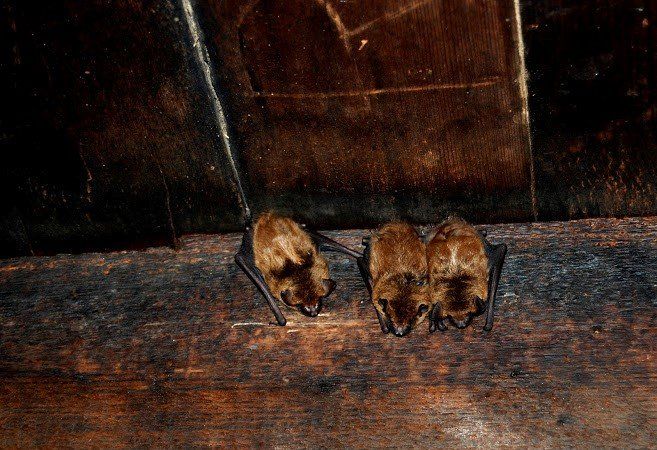
Winter is knocking on the door in Michigan, and that means animals of all shapes and sizes are looking for somewhere warm to hibernate. Bat species like the big and the little brown bat like to hibernate in the attics and walls of homes during freezing winters. If you notice one or all of the following signs, you could have a colony of hibernating bats in your home.


1. Fluttering Noises in Your Walls or Attic


In general, bats stay still as they hibernate, living off their own body fat reserves and expending as little energy as possible. But if temperatures fluctuate, as they sometimes do in Michigan during winter, bats will wake up and move around.


Sometimes, this happens if there is a sudden spike in temperature that wakes the bats up. You'll then usually hear bats fluttering around in your attic, looking for food. On the other hand, if temperatures drop sharply, then bats hibernating in an attic will often move into the walls, closer to the warmth of the house. You'll hear the bats fluttering and scuffling as they seek a warm place inside your walls.


2. Squeaking


Bats use echolocation to fly around in darkness, and their high-pitched calls range from 9 kHz to 200 kHz . This means that most of the time, humans can't hear bats squeak. But if bats awaken from their hibernation during winter due to temperature fluctuations, you may still be able to hear them communicate with each other as they squeak within their roost. 


3. Piles of Droppings (Guano)


Bat droppings look like grains of rice, much like those of rats but smaller. If you enter an area where bats are hibernating in your home, you may see piles of bat droppings. This is usually how you can tell rat droppings from bat droppings. Bat droppings will pile up underneath the spot where bats are roosting whereas rats leave scattered droppings.


4. Brown Stains Around Exterior Entry Points


Unlike other animals, such as rats or possums, bats won't make their own entry point to gain access to your home. Instead, they'll search for an existing point of access, such as a crack in a wall or a hole in your roofing material.


If you see a crack or hole in your home's exterior and there are brown, oily stains around it, then this is likely to be the access point bats used to enter your home. These stains are a combination of body oils and other excretions such as urine and feces.


Can You Remove Bats From Your Home During Winter?


If you discover bats hibernating somewhere in your home during winter, you might be uncomfortable with their presence. But winter isn't a good time to remove bats from their hibernaculum. They won't survive the cold temperatures and the lack of food.


Don't worry. Hibernating bats are rarely active during winter so you are unlikely to encounter them.


The best thing to do is to contact a pest control service. They can then perform an inspection of your property to locate the bats and their entry points. Once the pest control service has finished the inspection, they can then set out their plan to remove the bats humanely when spring arrives. Once the bats have left your home, you can set about sealing up all possible entry points.


Have you discovered bats in your home in Waterford, Michigan? Then you need the professional guidance and assistance of Anteater Pest Control Inc. We'll perform a free inspection to locate your bat problem and come up with an effective plan to remove them in a humane manner. 


This is paragraph text. Click it or hit the Manage Text button to change the font, color, size, format, and more. To set up site-wide paragraph and title styles, go to Site Theme.

By Karen Harris June 10, 2026
The Hidden Connection Between Moisture and Pest Problems
May 20, 2026
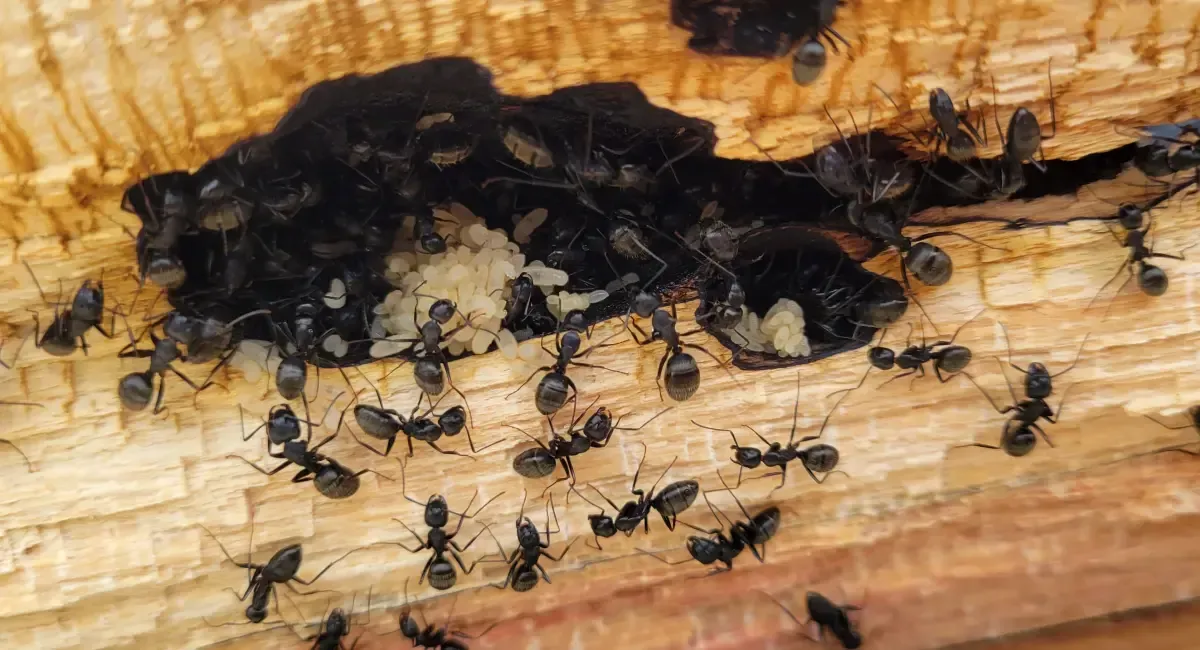
Carpenter ants are one of the most common pest issues homeowners deal with in Michigan, and they are often misunderstood.
May 18, 2026
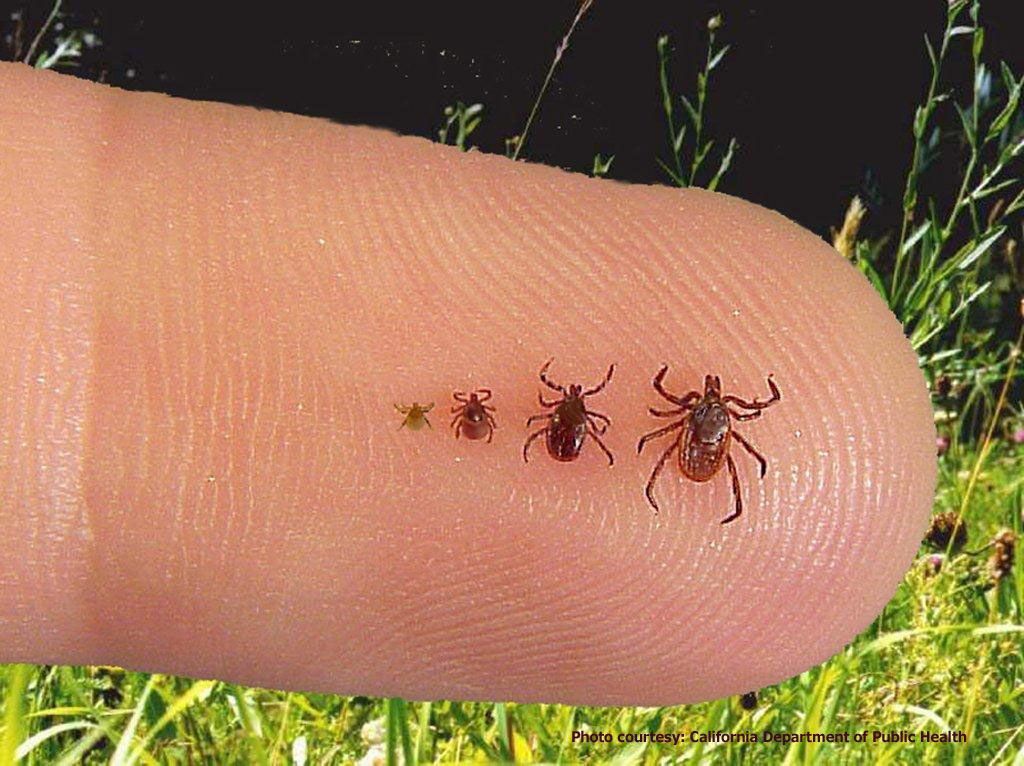
Ticks have become one of the fastest-growing pest concerns for homeowners across Michigan.
May 15, 2026
Mosquitoes are getting worse every year in Michigan,  you’re not imagining it.
March 23, 2026
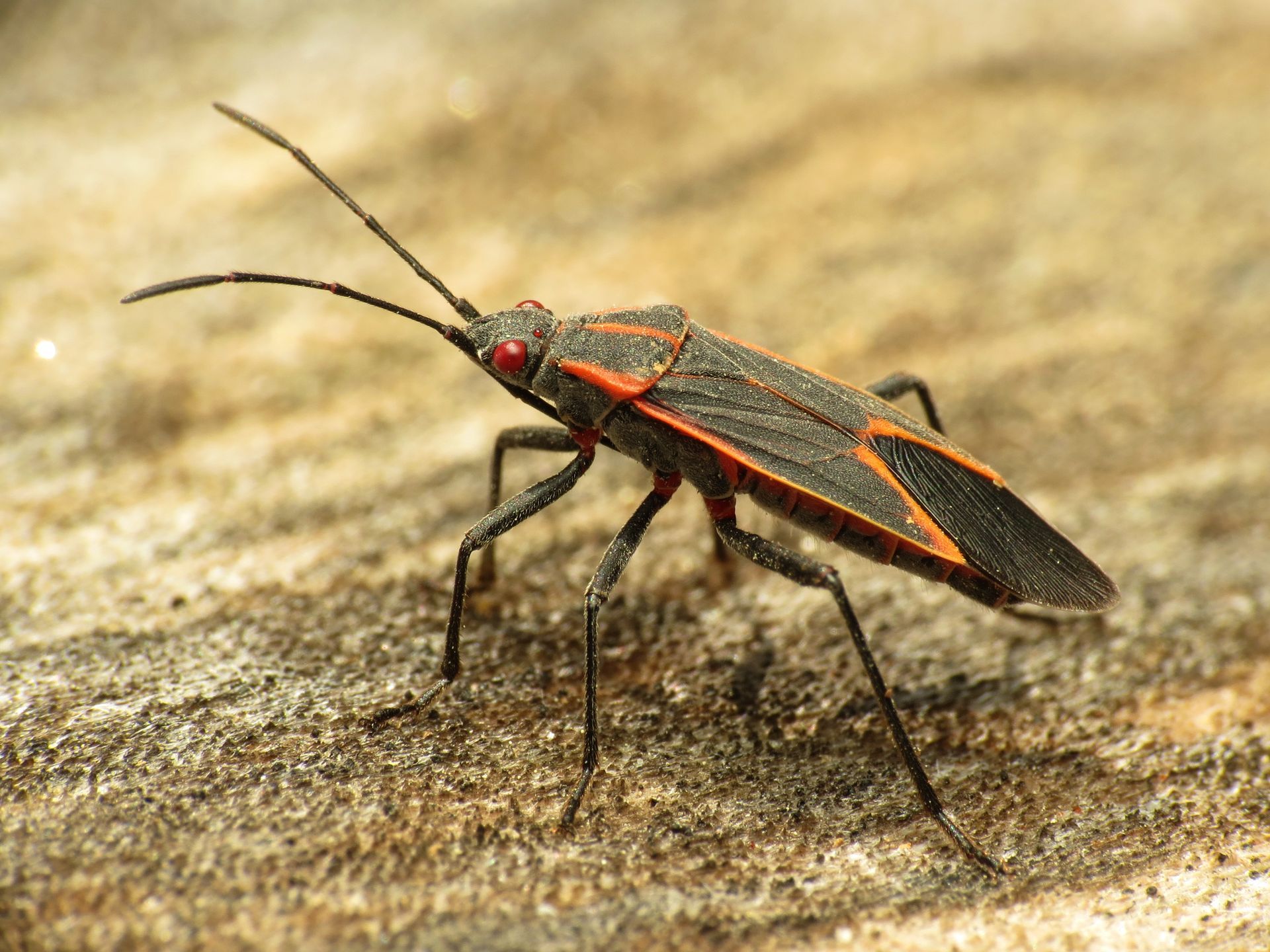
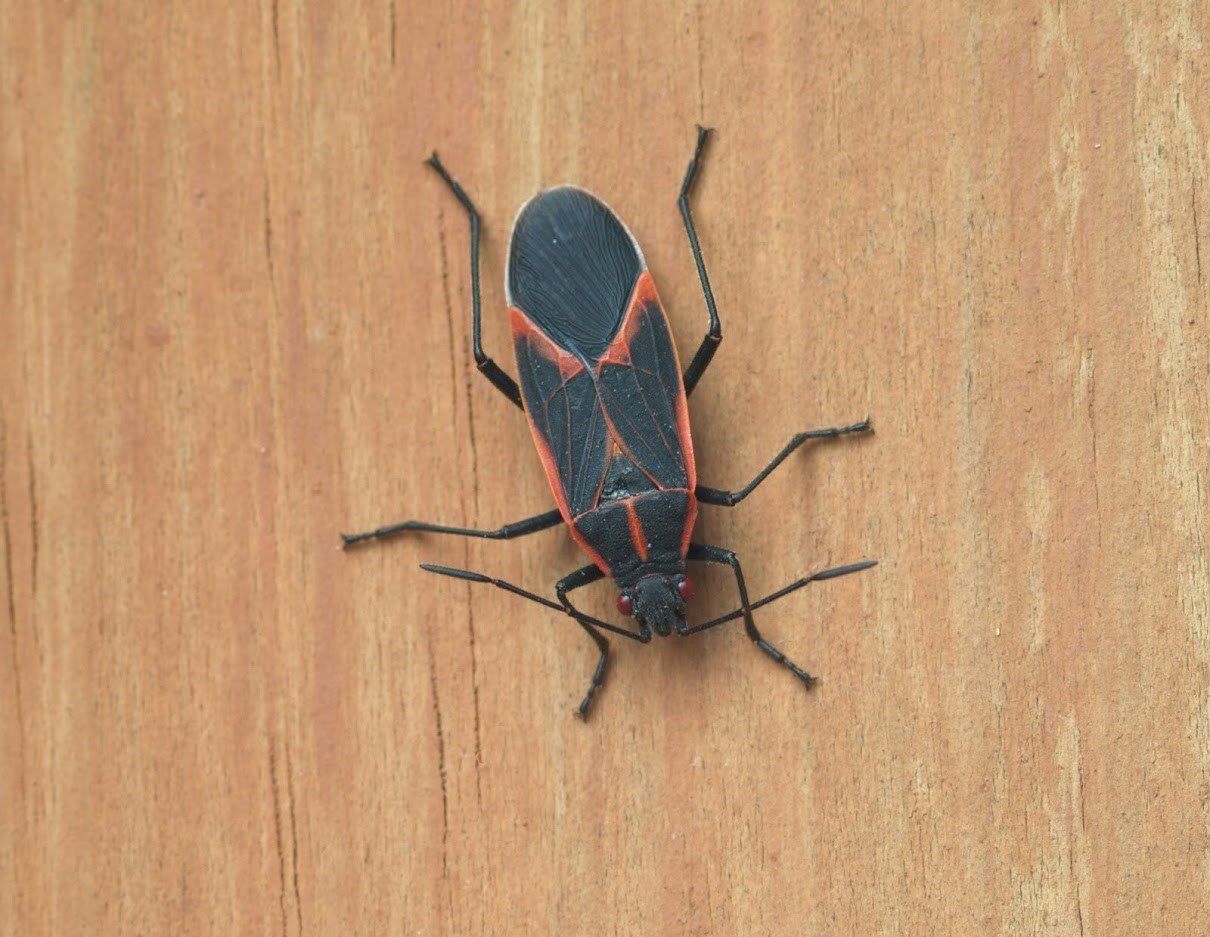
At Anteater Pest Control , we get a lot of questions about a specific, red-and-black insect that seems to appear out of nowhere in massive clusters. If you’ve seen these bugs congregating on your siding or windowsills, you’re likely dealing with Boxelder bugs. While they aren’t the most destructive pests we deal with, their presence in large numbers can be a major nuisance. Here is everything you need to know about identifying, managing, and preventing Boxelder bugs. Identification: Is it a Boxelder Bug? Before you take action, you have to know what you’re looking at. Boxelder bugs (Boisea trivittata) are easily identified by a few key features: Color : Dark brownish-black with three distinct reddish-orange stripes on the thorax (the area behind the head). Shape : An elongated, flattened oval shape, roughly 1/2 inch long. Wings : They have overlapping wings that form a distinct "X" shape on their backs. Why Are They Choosing Your Home? Boxelder bugs are highly attracted to heat and light. They are often found on the south and west-facing walls of buildings because those surfaces absorb the most sunlight. Their primary food source is the seed of the Boxelder tree, though they also frequent Maple and Ash trees. If you have these trees on or near your property, your home is essentially a "luxury resort" for them—providing food nearby and a warm place to rest. The "Nuisance" Factor The good news? Boxelder bugs do not bite, they don’t sting, and they don’t carry diseases. They also won't eat your food or damage your furniture. However, they present two main problems: Staining : If crushed, their body fluids can leave a permanent reddish-orange stain on curtains, carpets, and upholstery. Odors : When threatened or squashed, they release a pungent, foul-smelling defensive odor. Professional Solutions When Boxelder bugs move from a few sightings to a full-scale invasion, DIY methods often fall short. Because these bugs can hide deep within wall voids, professional intervention is the most reliable way to create a lasting perimeter barrier. At Anteater Pest Control, we use targeted treatments to stop these pests before they find their way into your living space. We don't just treat the symptoms; we help you identify the entry points to keep your home secure. Is your home becoming a hangout for Boxelder bugs?
Autumn Insect Pest — Waterford, MI — Anteater Pest Control
By Admin October 31, 2020
As fall arrives, the warmth and food in your home could draw in some unwanted visitors. As you prepare your home for winter, be wary of the following bugs.
Squirrel — Waterford, MI — Anteater Pest Control
September 29, 2020
Do you have squirrels in your house? If you would like to better protect it, keep reading to learn more about squirrels in your home.
Snake — Waterford, MI — Anteater Pest Control
By websitebuilder September 1, 2020
Do you have snakes in your home? Read our blog to learn how snakes find their way into your home and how to prevent their presence.
By Admin July 31, 2020
What is West Nile virus, and do the mosquitoes in your area carry this disease? Take a look at what you need to know about this important issue.
By Admin June 29, 2020
Fleas, like so many insects and pests, can spread disease to humans. Learn more about the types of diseases fleas spread and how to treat them.