
Boxelder Bugs: What Every Homeowner Needs to Know
March 23, 2026
Why Boxelder Bugs Love Your Home (and How to Make Them Leave)
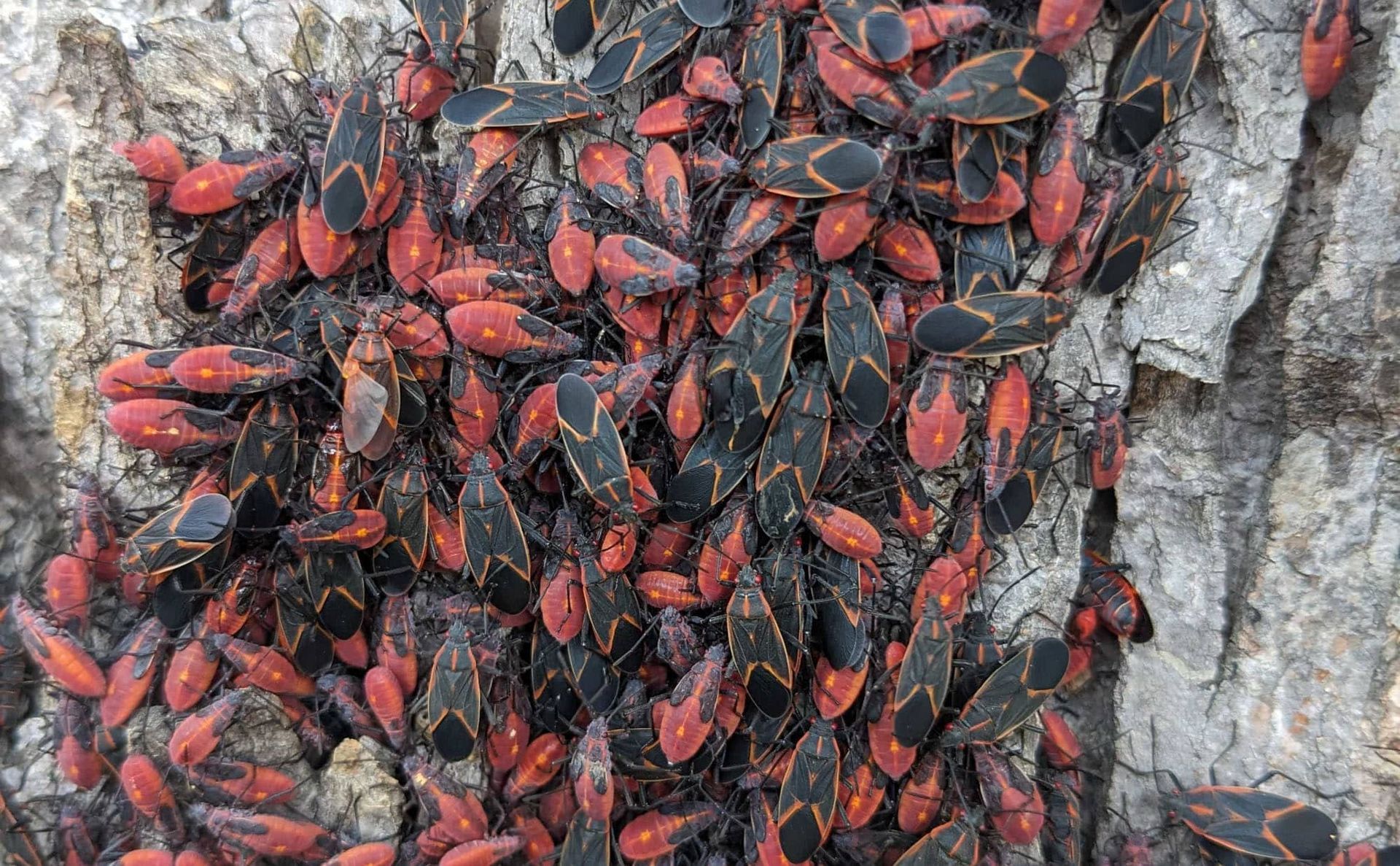
At Anteater Pest Control, we get a lot of questions about a specific, red-and-black insect that seems to appear out of nowhere in massive clusters. If you’ve seen these bugs congregating on your siding or windowsills, you’re likely dealing with Boxelder bugs.
While they aren’t the most destructive pests we deal with, their presence in large numbers can be a major nuisance. Here is everything you need to know about identifying, managing, and preventing Boxelder bugs.
Identification: Is it a Boxelder Bug?
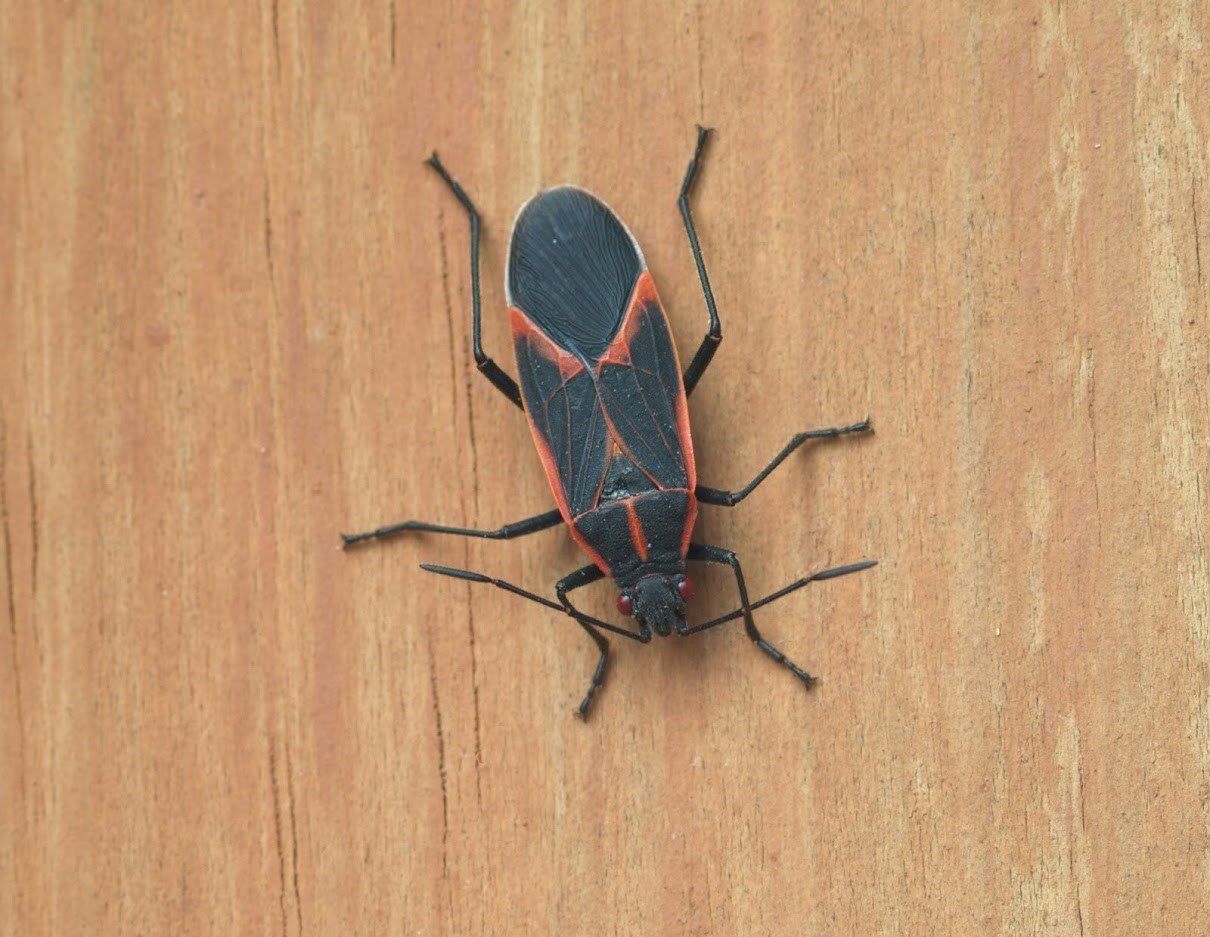
Before you take action, you have to know what you’re looking at. Boxelder bugs (Boisea trivittata) are easily identified by a few key features:
- Color: Dark brownish-black with three distinct reddish-orange stripes on the thorax (the area behind the head).
- Shape: An elongated, flattened oval shape, roughly 1/2 inch long.
- Wings: They have overlapping wings that form a distinct "X" shape on their backs.
Why Are They Choosing Your Home?
Boxelder bugs are highly attracted to heat and light. They are often found on the south and west-facing walls of buildings because those surfaces absorb the most sunlight.
Their primary food source is the seed of the Boxelder tree, though they also frequent Maple and Ash trees. If you have these trees on or near your property, your home is essentially a "luxury resort" for them—providing food nearby and a warm place to rest.
The "Nuisance" Factor
The good news? Boxelder bugs do not bite, they don’t sting, and they don’t carry diseases. They also won't eat your food or damage your furniture. However, they present two main problems:
- Staining: If crushed, their body fluids can leave a permanent reddish-orange stain on curtains, carpets, and upholstery.
- Odors: When threatened or squashed, they release a pungent, foul-smelling defensive odor.
Professional Solutions
When Boxelder bugs move from a few sightings to a full-scale invasion, DIY methods often fall short. Because these bugs can hide deep within wall voids, professional intervention is the most reliable way to create a lasting perimeter barrier.
At Anteater Pest Control, we use targeted treatments to stop these pests before they find their way into your living space. We don't just treat the symptoms; we help you identify the entry points to keep your home secure.
Is your home becoming a hangout for Boxelder bugs?
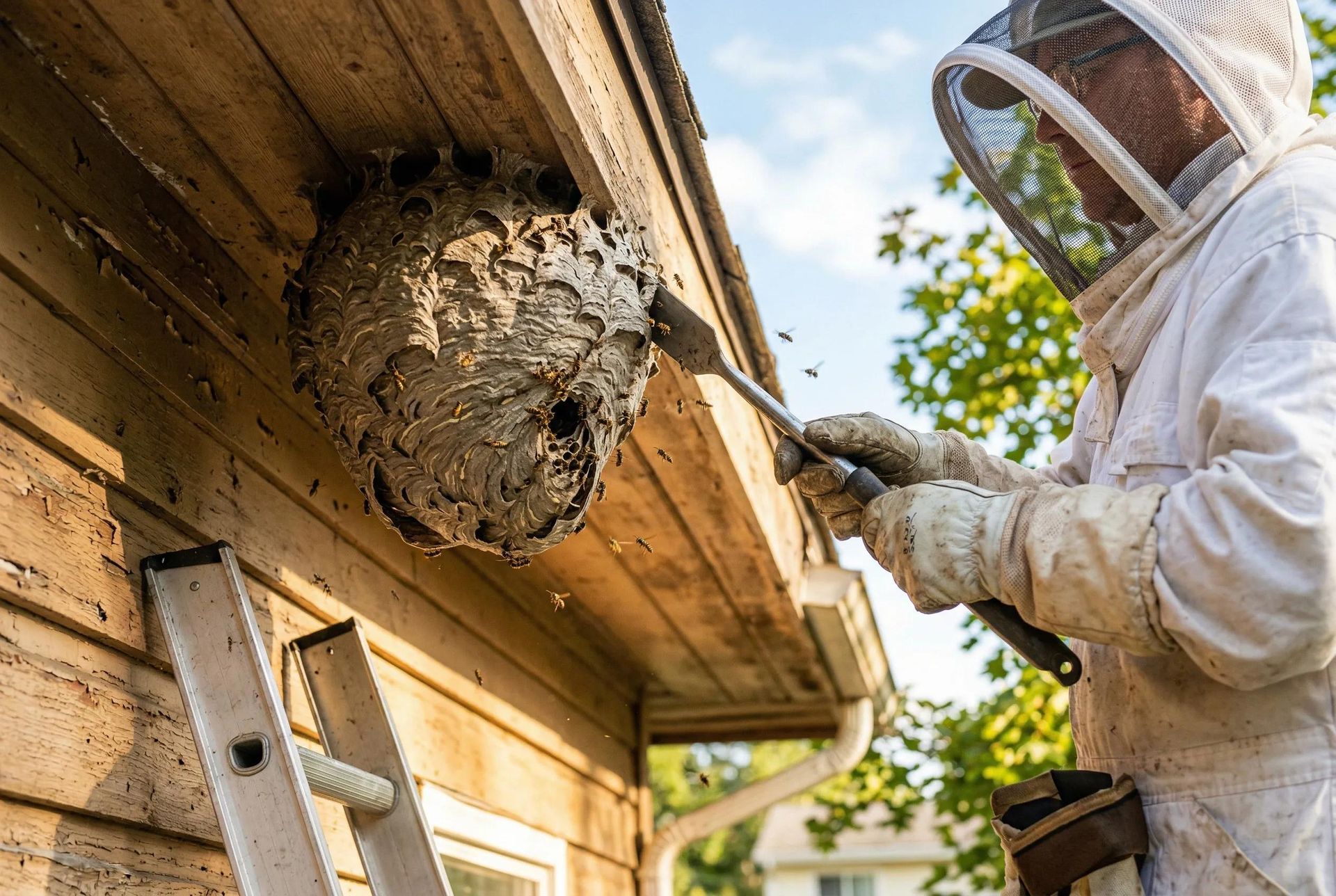
Learn how to prevent wasps, yellowjackets, paper wasps, and bald-faced hornets from nesting around your Michigan home or business, plus what to do when you discover an active nest.
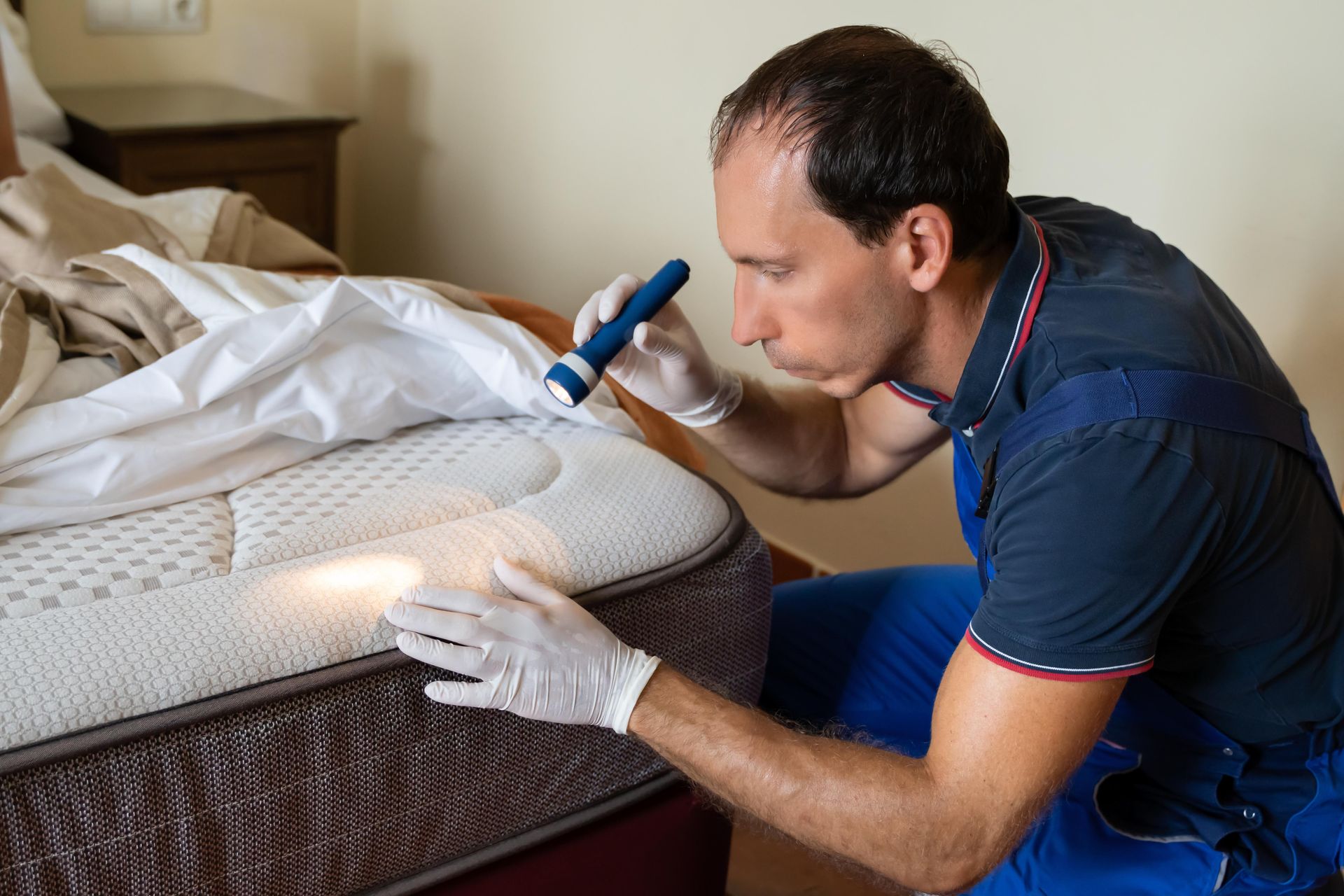
Learn how to identify bed bugs, recognize the signs of an infestation, prevent them from spreading, and understand why professional bed bug treatment is the most effective way to protect your Michigan home or business.
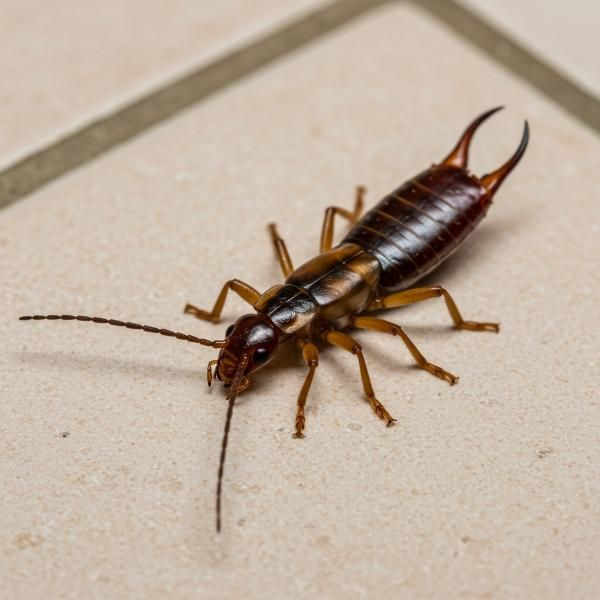
If you've started noticing earwigs crawling around your home, you're not alone. Every summer, homeowners across Michigan see a noticeable increase in earwig activity, especially after periods of rain and humidity. While their appearance can be unsettling, earwigs are more of a nuisance pest than a dangerous one. Understanding why they're showing up and how to prevent them can help you keep your home comfortable all season long.
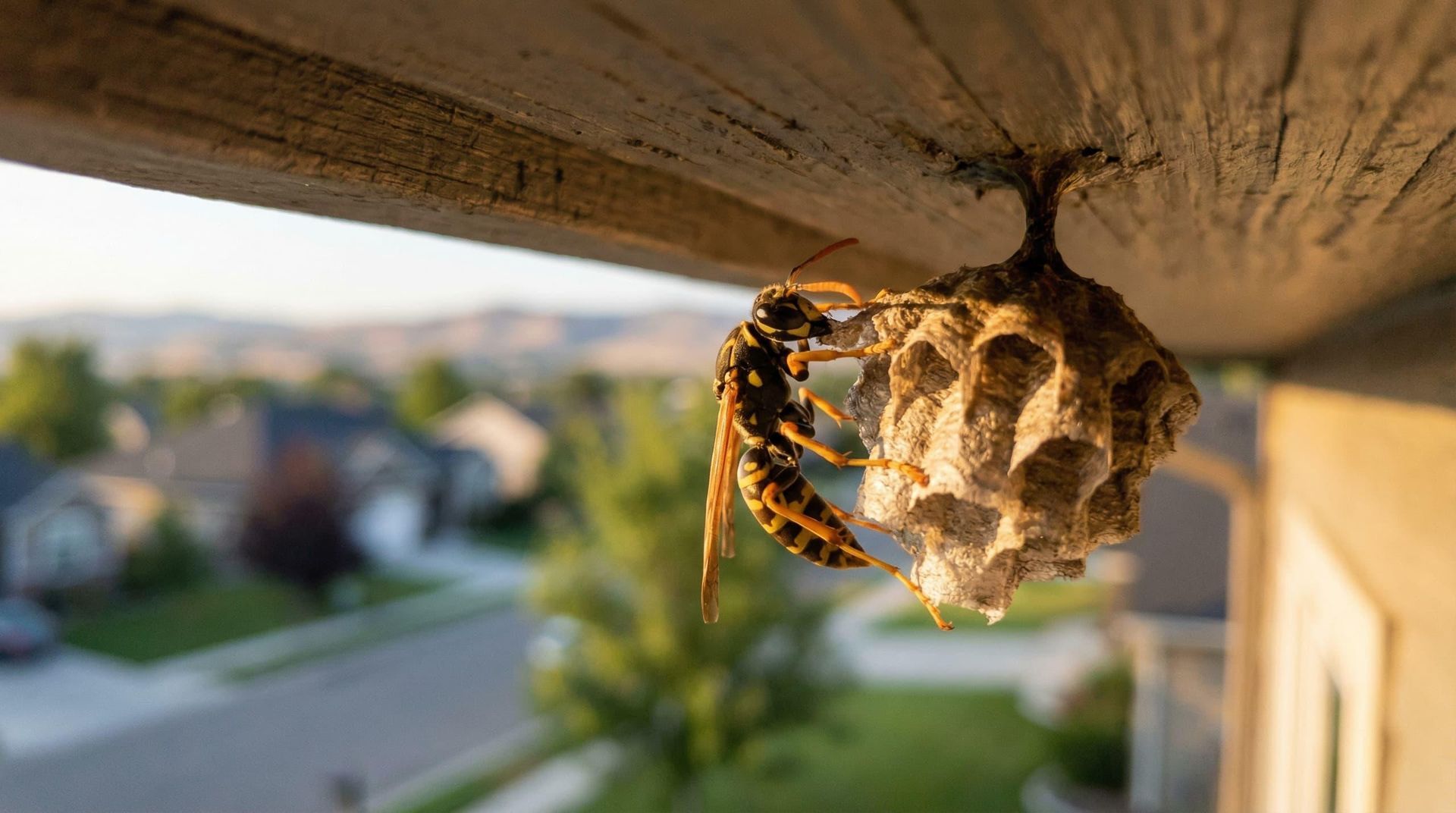
Everything Michigan homeowners need to know about wasp season, nest prevention, common nesting locations, and protecting their home from stinging insects.
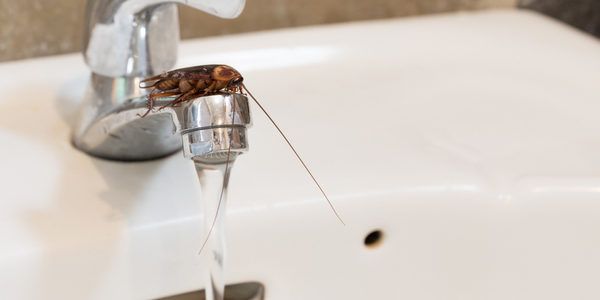
The Hidden Connection Between Moisture and Pest Problems
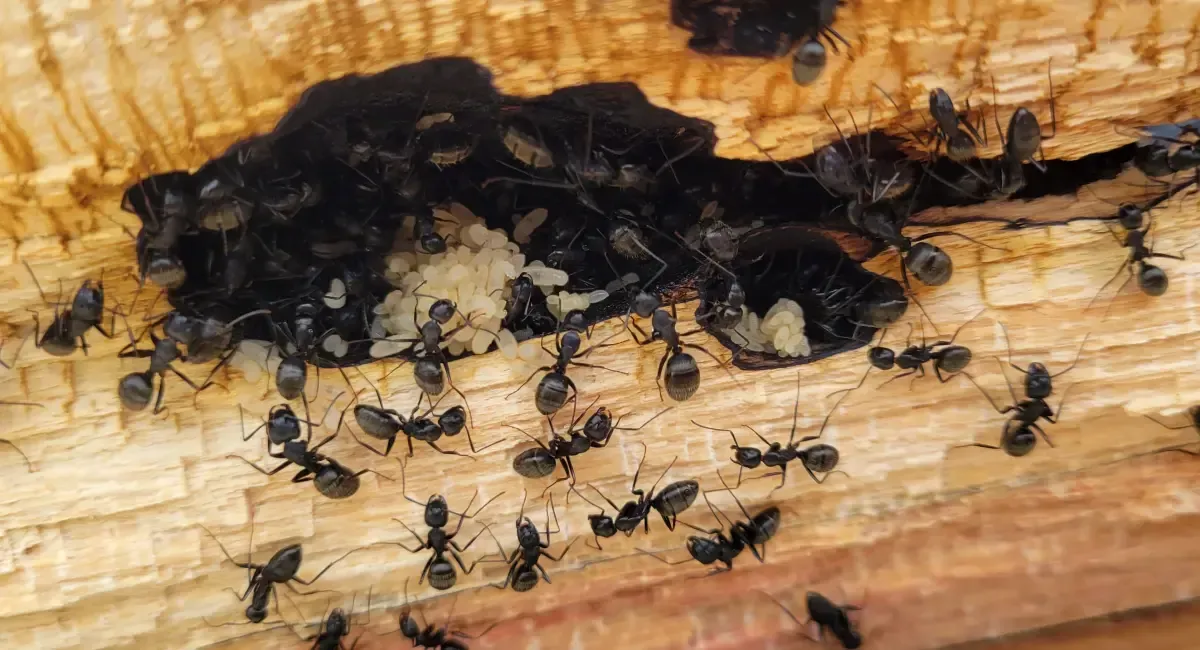
Carpenter ants are one of the most common pest issues homeowners deal with in Michigan, and they are often misunderstood.
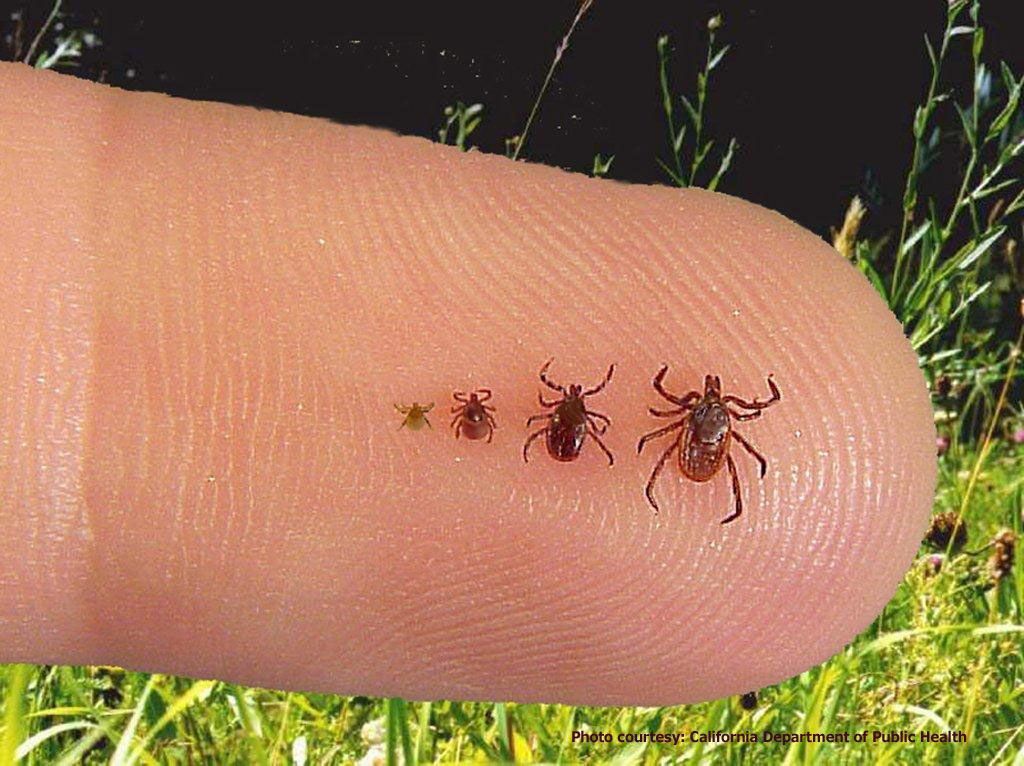
Ticks have become one of the fastest-growing pest concerns for homeowners across Michigan.
Mosquitoes are getting worse every year in Michigan, you’re not imagining it.
Bats like to hibernate in homes where it is warm and dry. Keep a look out for these signs that bats are sleeping in your home this winter.
As fall arrives, the warmth and food in your home could draw in some unwanted visitors. As you prepare your home for winter, be wary of the following bugs.