Why Humidity Attracts Pests: How Moisture Problems Can Lead to Insect Infestations
The Hidden Connection Between Moisture and Pest Problems
Many homeowners focus on sealing cracks and eliminating food sources when trying to prevent pest infestations. While those steps are important, one of the most overlooked factors attracting insects is excess moisture.
High humidity, standing water, condensation, and damp building materials create ideal conditions for many common pests found throughout Michigan. In some cases, moisture issues can attract pests even when food sources are limited.
At Anteater Pest Control, we often find that resolving moisture problems is a critical step in long-term pest prevention.
Why Insects Need Moisture
Just like humans and animals, insects require water to survive. Many species are highly sensitive to dehydration and actively seek out humid environments where moisture is readily available.
Areas with elevated humidity provide:
- Easy access to water
- Favorable breeding conditions
- Protection from drying out
- Increased availability of food sources such as mold, fungi, and decaying organic matter
As humidity levels rise, many pests become more active and more likely to move indoors.
Common Pests Attracted to Moisture
Springtails
Springtails are one of the most common moisture-related pests we encounter.
These tiny insects thrive in:
- Damp basements
- Crawl spaces
- Bathrooms
- Areas with water leaks
- Around foundation moisture
Although springtails are harmless, large populations often indicate excessive humidity or hidden moisture issues.
Silverfish
Silverfish prefer dark, humid environments and are frequently found in:
- Basements
- Laundry rooms
- Bathrooms
- Utility rooms
They feed on paper, cardboard, glue, fabrics, and other materials commonly found in homes.
Cockroaches
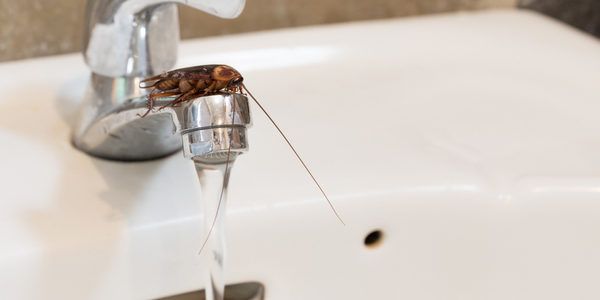
Cockroaches are strongly attracted to water sources and often establish themselves near:
- Plumbing leaks
- Condensation around pipes
- Sump pumps
- Damp crawl spaces
- Utility rooms
Even small amounts of moisture can sustain a cockroach population.
Carpenter Ants
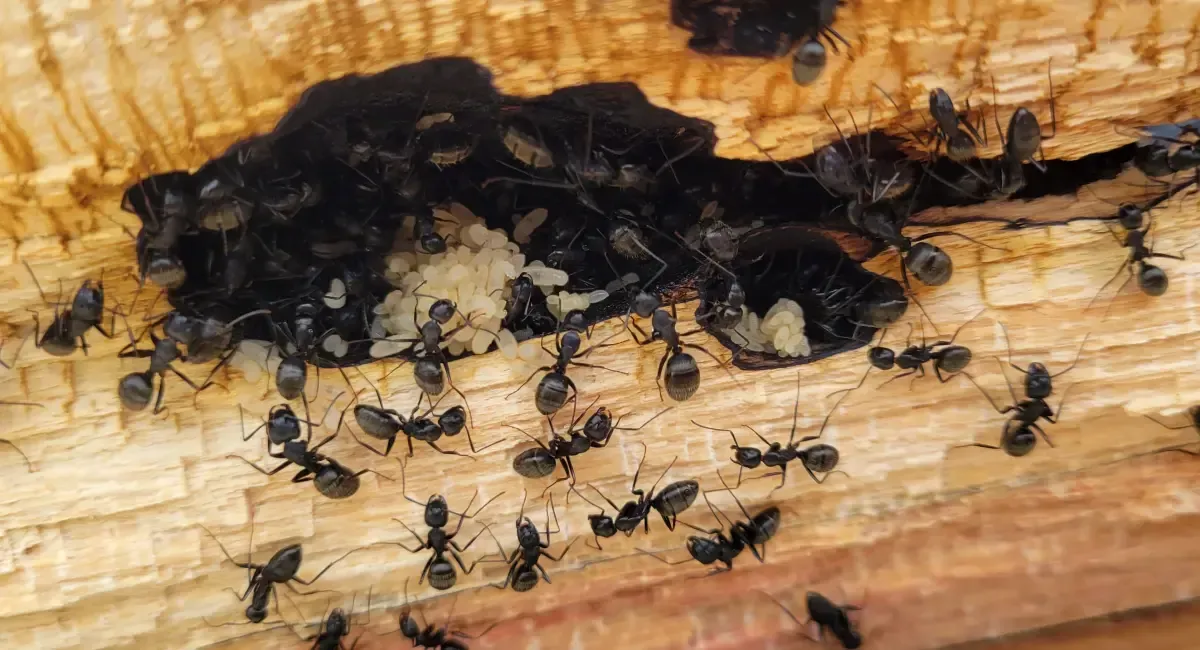
Carpenter ants are particularly attracted to moisture-damaged wood.
While they do not eat wood, they excavate damp or decaying wood to create nesting galleries. Common nesting locations include:
- Window frames
- Roof leaks
- Water-damaged wall voids
- Decks and porches
- Crawl spaces
Addressing moisture problems can significantly reduce the likelihood of carpenter ant infestations.
Centipedes and Millipedes
These pests require high humidity to survive and are commonly found in:
- Basements
- Crawl spaces
- Under mulch
- Around foundation walls
When outdoor conditions become too wet or too dry, they often migrate indoors.
Mosquitoes
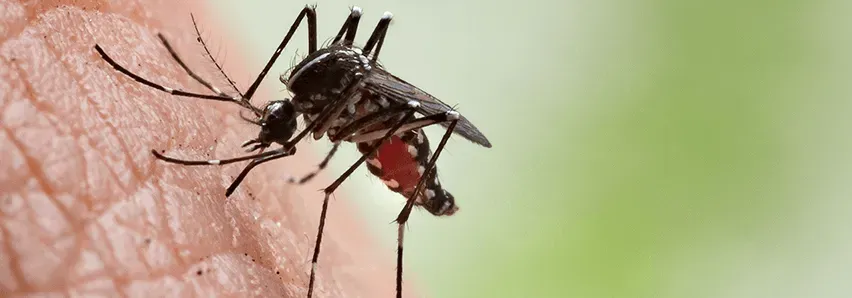
Mosquitoes require standing water to reproduce.
Common breeding sites include:
- Clogged gutters
- Bird baths
- Flower pots
- Children's toys
- Tarps
- Poorly drained landscaping
Just a small amount of standing water can support mosquito development.
Areas of the Home Most Vulnerable to Moisture Problems
Certain areas are especially prone to attracting moisture-loving pests:
Crawl Spaces
Crawl spaces often experience elevated humidity levels due to:
- Poor ventilation
- Ground moisture
- Plumbing leaks
- Condensation
Without proper moisture control, these areas can become ideal environments for numerous pests.
Basements
Michigan basements frequently develop moisture issues from:
- Foundation seepage
- Humid summer air
- Inadequate drainage
- Condensation
Many insect infestations begin in basement environments before spreading throughout the home.
Attics
Roof leaks and poor ventilation can create hidden moisture pockets that attract carpenter ants and other insects.
Around Plumbing
Leaks beneath sinks, behind walls, and around water heaters often provide pests with a reliable water source.
Signs Moisture May Be Attracting Pests
Watch for these warning signs:
- Musty odors
- Condensation on pipes
- Mold growth
- Water stains
- Soft or rotting wood
- Frequent sightings of insects in bathrooms or basements
- High indoor humidity levels
If pests continue to appear despite treatment, a moisture issue may be contributing to the problem.
How to Reduce Moisture and Prevent Pest Infestations
Homeowners can dramatically reduce pest activity by controlling moisture.
Fix Leaks Promptly
Repair leaking faucets, pipes, roofs, and appliances as soon as possible.
Improve Drainage
Ensure gutters and downspouts direct water away from the foundation.
Use Dehumidifiers
Maintain indoor humidity levels below 50% in basements and crawl spaces when possible.
Ventilate Properly
Improve airflow in attics, crawl spaces, bathrooms, and laundry rooms.
Eliminate Standing Water
Regularly inspect your property for water collection points that could attract mosquitoes and other pests.
Professional Pest Control and Moisture Assessments
Treating pests without addressing the underlying moisture issue often results in recurring infestations. A comprehensive pest management plan should include both pest control and moisture management strategies.
At Anteater Pest Control, we help homeowners identify conditions that may be attracting pests, including excess humidity, water intrusion, and moisture-damaged materials.
Protect Your Home from Moisture-Loving Pests
If you're seeing insects in your basement, crawl space, bathroom, or other damp areas, moisture may be the root cause.
Contact Anteater Pest Control today for a professional inspection. Our team can identify pest activity, locate contributing moisture conditions, and recommend effective solutions to help keep your home protected year-round.