Michigan Wasp Season Is Coming: 8 Ways to Prevent Wasps From Building Nests Around Your Home
Everything Michigan homeowners need to know about wasp season, nest prevention, common nesting locations, and protecting their home from stinging insects.
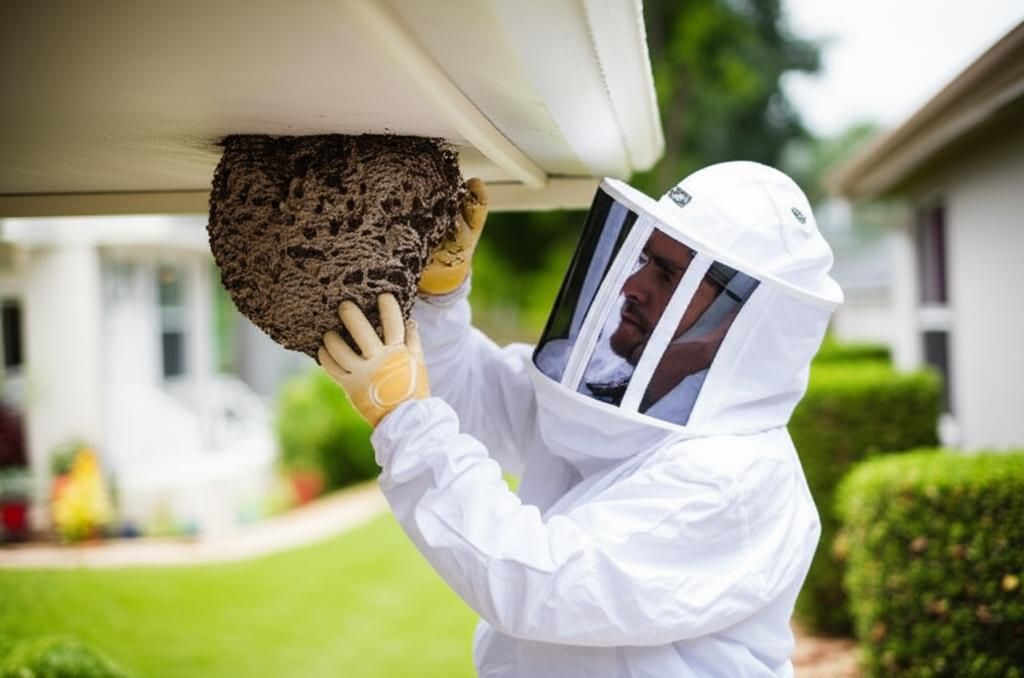
As temperatures begin to rise across Michigan, many homeowners start noticing more insects around their property. One of the most common and least welcome visitors is the wasp.
Every year, wasps begin scouting homes, sheds, garages, decks, and rooflines looking for protected places to build nests. The good news is that a few simple preventative steps can dramatically reduce the chances of finding a nest attached to your home later in the summer.
Understanding when wasp season starts and knowing what attracts them can help keep your property more comfortable and safer for your family.
When Does Wasp Season Start in Michigan?
Wasp season in Michigan typically begins in late spring when overwintering queens emerge from hiding and begin searching for nesting locations.
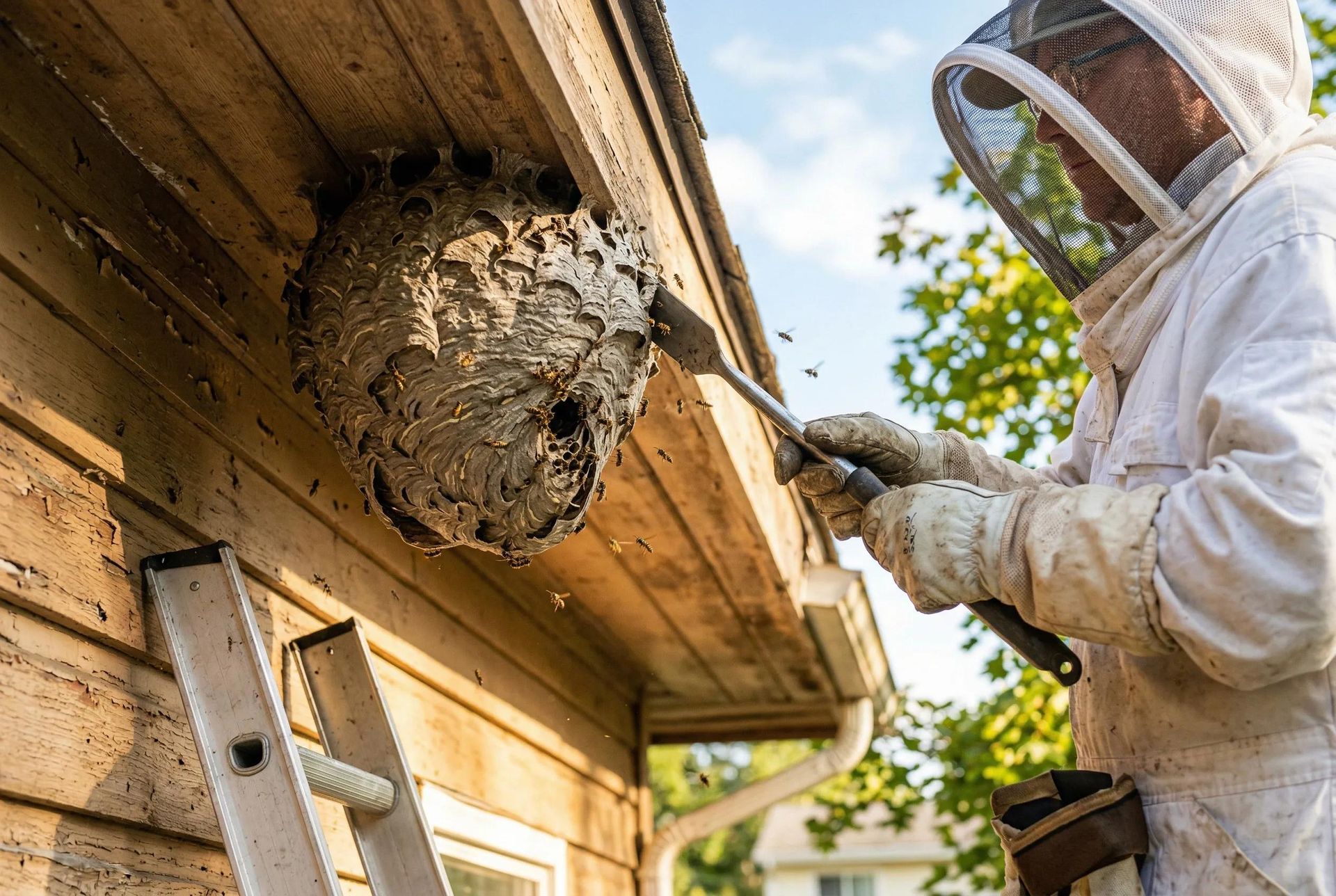
The first nests are often no larger than a golf ball and can easily go unnoticed. As summer progresses, these nests grow rapidly. By late summer, a single nest may contain hundreds or even thousands of wasps depending on the species.
The most common nuisance wasps homeowners encounter include:
- Paper wasps
- Yellow jackets
- Bald-faced hornets
- Mud daubers
While each species behaves differently, they all share one thing in common. They prefer sheltered, protected areas around homes and buildings.
Why Are Wasps Choosing Your Home?
Wasps are not necessarily attracted to dirty homes. In fact, even immaculate homes can become nesting sites.
Wasps are primarily looking for:
- Protected roof overhangs and eaves
- Gaps around soffits and fascia boards
- Covered porches
- Deck railings
- Attics and vents
- Sheds and garages
- Outdoor grills and dining areas
- Nearby food and water sources
If your home provides shelter from wind and rain, it may look like prime real estate to a queen wasp in the spring.
8 Ways to Prevent Wasps From Building Nests
1. Inspect Rooflines and Eaves Early
The best time to stop a nest is before it becomes established.
Walk around your home every few weeks in spring and early summer and inspect:
- Roof overhangs
- Soffits
- Porch ceilings
- Window frames
- Garage doors
- Decks
Small nests are much easier and safer to address than large established colonies.
2. Seal Gaps and Entry Points
Small openings around your home provide ideal nesting locations.
Seal:
- Cracks around siding
- Gaps around windows
- Openings near soffits
- Damaged screens
- Utility penetrations
Keeping your home's exterior sealed can help prevent not only wasps, but many other nuisance pests as well.
3. Keep Outdoor Trash Containers Closed
Yellow jackets are scavengers.
Garbage cans with food residue or sugary drinks can quickly attract them, especially later in the summer.
To help reduce activity:
- Keep lids tightly closed
- Rinse containers occasionally
- Clean spills promptly
- Store bins away from patios when possible
4. Remove Food Sources Around Patios
Outdoor entertaining areas naturally attract wasps.
After cookouts or outdoor meals:
- Clean grills regularly
- Remove food scraps
- Pick up fallen fruit
- Cover sugary beverages
- Wipe down outdoor tables
Reducing food availability makes your property less appealing.
5. Trim Trees and Shrubs Near the Home
Dense vegetation touching the home creates protected areas where wasps can establish nests.
Keeping shrubs trimmed away from:
- Siding
- Windows
- Decks
- Roof edges
helps reduce nesting opportunities and improves visibility during inspections.
6. Repair Damaged Wood
Paper wasps chew weathered wood fibers to create their paper nests.
Pay attention to:
- Rotten fascia boards
- Damaged trim
- Unpainted wood
- Weathered fences
Keeping exterior wood sealed and maintained can make your home less attractive to nesting queens.
7. Check Sheds and Outdoor Structures
Detached garages, sheds, gazebos, and barns are some of the most common nesting locations.
Inspect:
- Rafters
- Door frames
- Corners near ceilings
- Window frames
- Storage areas
These areas are often overlooked until a nest has become well established.
8. Consider Preventative Wasp Treatments
For homes with recurring wasp problems, preventative exterior treatments can help reduce nesting pressure before colonies become established.
Treatments are commonly applied around:
- Eaves
- Rooflines
- Soffits
- Window frames
- Porch ceilings
- High risk nesting areas
Preventative service is often more effective and safer than attempting to remove a large active nest later in the season.
Are DIY Wasp Treatments Safe?
Many homeowners attempt to spray nests themselves, but caution is important.
Wasps become highly defensive when they feel threatened, especially:
- Yellow jackets
- Bald-faced hornets
- Large established paper wasp colonies
Nests hidden underground, inside walls, or high on rooflines can present additional risks.
If you discover an active nest and are unsure of the species or location, it is generally safest to avoid disturbing it.
Signs You May Already Have a Wasp Nest
Keep an eye out for:
- Frequent wasp activity near the same location
- Wasps entering gaps in siding or soffits
- Small umbrella shaped nests under eaves
- Increased activity around decks or patios
- Buzzing sounds coming from walls or attic spaces
Early detection can prevent a small problem from becoming a much larger one later in the season.
Protect Your Home Before Wasp Activity Peaks
Michigan's warm months should be spent enjoying your yard, not worrying about aggressive stinging insects.
A little preventative maintenance now can go a long way toward keeping wasps from settling around your home.
If you begin noticing increased wasp activity or suspect a nest is forming, addressing the issue early is often the easiest and most effective solution.
At Anteater Pest Control, we help homeowners throughout Michigan identify wasp activity, remove active nests, and provide preventative treatments designed to keep homes protected throughout the season.