
4 Differences Between Mosquito and Tick Bites
April 1, 2020
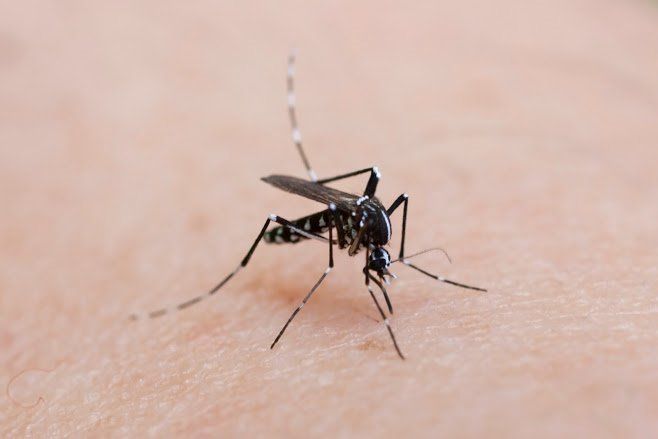
Getting bit by an insect is no fun, but things may be worse when you have no idea exactly what the bite came from. Some of the biggest pests people have to deal with are mosquitoes and ticks. After a bite, the insect may be gone before you can determine what it was.
Using detailed information, learn about the difference between mosquito and tick bites. Once you know the insects invading your property, a pest control worker will help eliminate their presence from your property.
1. Rashes
One of the biggest signs of a tick bite is a rash which forms after the tick falls off or has been removed. Incidents involving tick-borne diseases like Lyme Disease will cause a circular rash around the spot of the bite. The rash will often look like a target shape with two rings.
For mosquitoes, a rash will not typically form unless the area has been heavily scratched. You may see a small raised area and a red mark, but no rash.
When a rash has formed due to an insect bite, a blood test may be needed to check for any diseases.
Pest control treatment on property with ticks and mosquitoes spreading illness will help prevent any diseases in humans and pets.
2. Itches
One of the trademarks of a mosquito bite is the itchiness which occurs after the bite. Once a mosquito breaks the skin open, a body will release histamine from our immune system. The response is what causes the itchiness, not any element from the actual mosquito. The more you scratch, the more histamine is released.
The itchiness from mosquitoes is a lot more prevalent than in the ticks. If you feel instant itchiness after a bite, it will most likely be a mosquito. One of the more common reasons to feel itchy from a tick bite is if a rash forms. The rash may dry out and create itchy skin.
3. Body Part Targets
The body part where you have a bite may be an indication of which insect bit you. Ticks cannot jump or leap. They climb up from the ground. Even if you wear long socks and pants, ticks will climb up until they reach the first open body part. If you sit or lay on the ground, ticks will crawl on any accessible body part.
Mosquitoes base their feeding on the scents of a human. While flying, mosquitoes may bite any body part. Often, they will aim for lower areas like the ankles. Not only are the insects drawn to the scent of feet, but they seek out a place where humans cannot easily swat at them.
4. Groups
When you encounter a mosquito, you are likely to find a whole group of them. Mosquitoes nest and fly in groups, meaning you will find multiple bites from the same circumstances. Small bodies of water are nesting grounds for the insect and an area prone to multiple bites.
If you find multiple bites, you may have been bitten from a same mosquito multiple times or by multiple mosquitoes. A tick will typically feed off its host once and drop off. If you do have multiple ticks on you, you may have encountered a tick nest. When a female tick lays eggs, a single tick could lay up to 3,000 eggs at once.
The removal of both tick and mosquito nests is essential for protection against the insect bites. Both start out in very large groups which could quickly spread across your property.
For information on pest removal at your home, contact us at Anteater Pest Control Inc.
We have professionals who will help target specific insects and eliminate the threat of the disease-carrying insects.
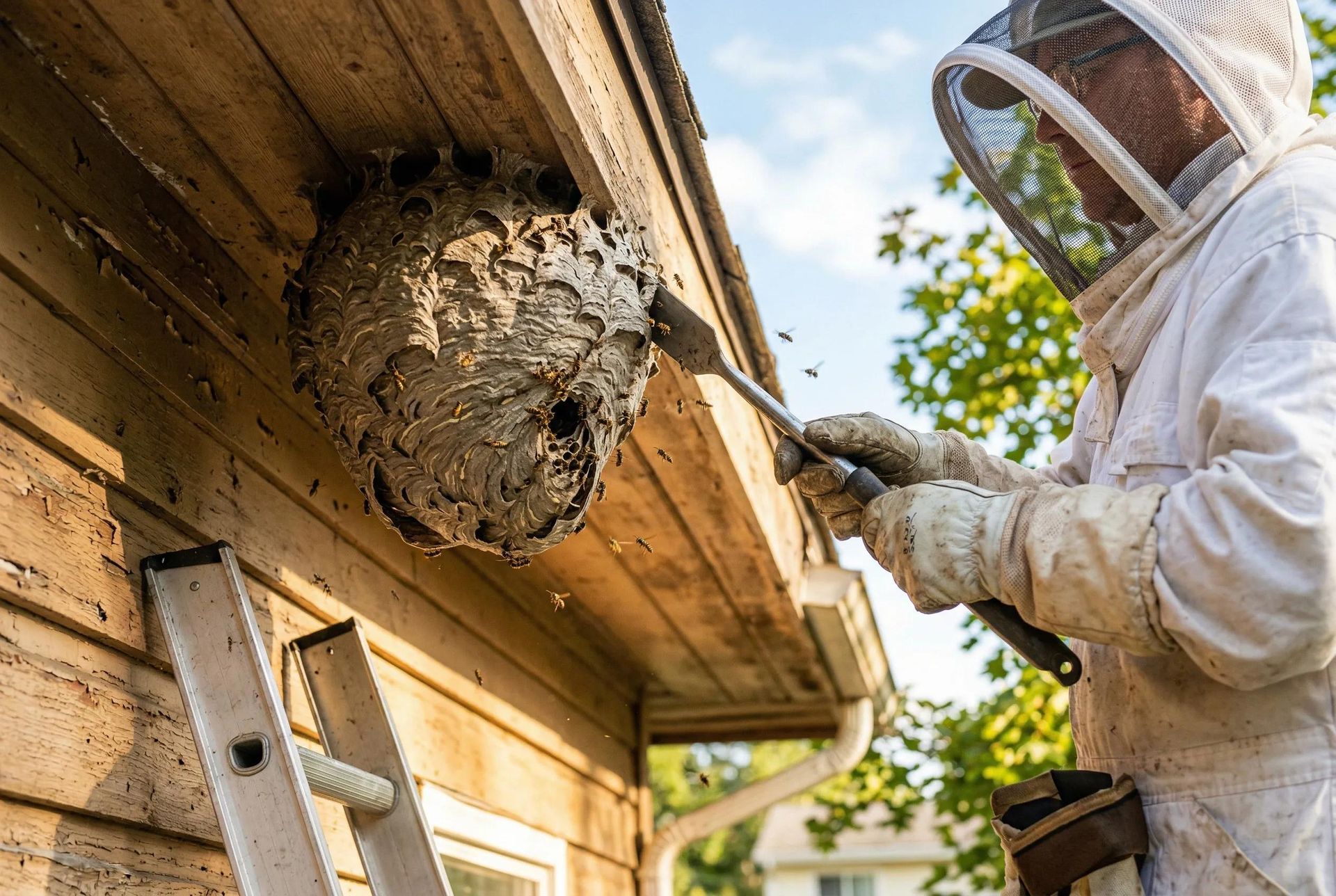
Learn how to prevent wasps, yellowjackets, paper wasps, and bald-faced hornets from nesting around your Michigan home or business, plus what to do when you discover an active nest.
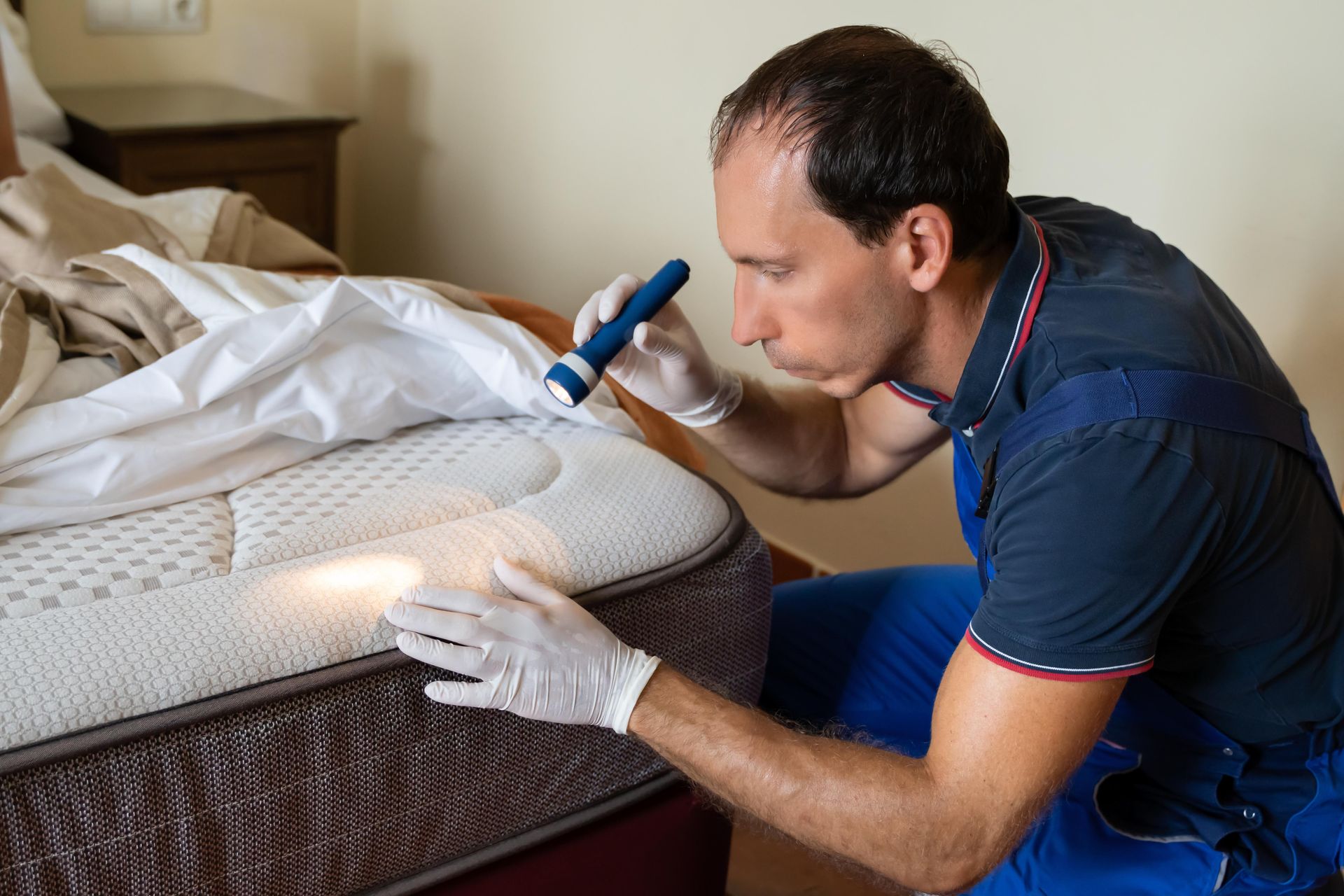
Learn how to identify bed bugs, recognize the signs of an infestation, prevent them from spreading, and understand why professional bed bug treatment is the most effective way to protect your Michigan home or business.
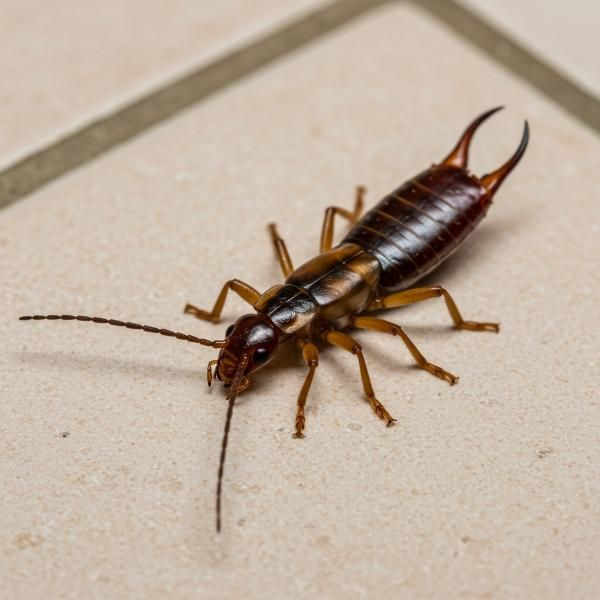
If you've started noticing earwigs crawling around your home, you're not alone. Every summer, homeowners across Michigan see a noticeable increase in earwig activity, especially after periods of rain and humidity. While their appearance can be unsettling, earwigs are more of a nuisance pest than a dangerous one. Understanding why they're showing up and how to prevent them can help you keep your home comfortable all season long.
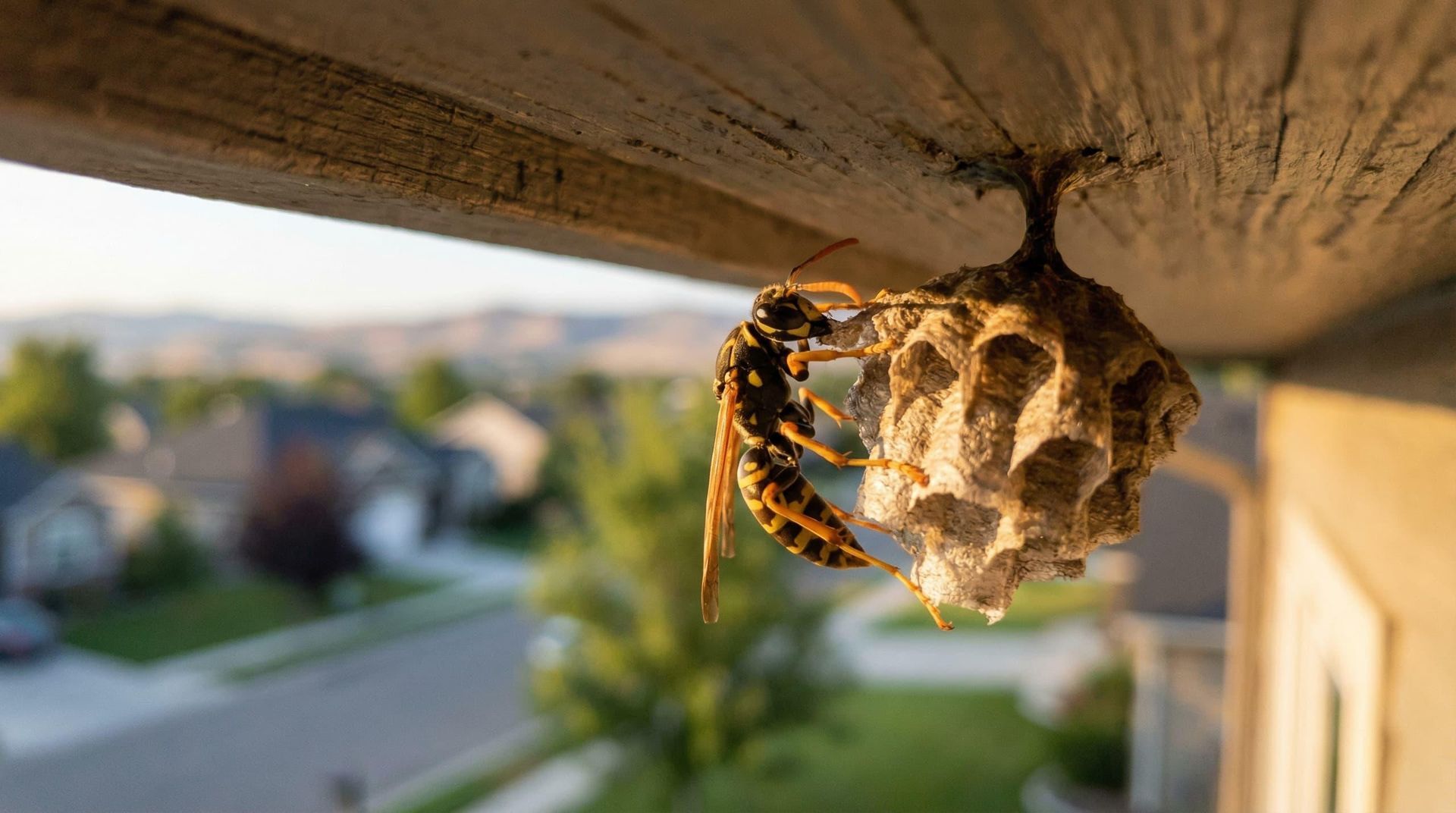
Everything Michigan homeowners need to know about wasp season, nest prevention, common nesting locations, and protecting their home from stinging insects.
The Hidden Connection Between Moisture and Pest Problems
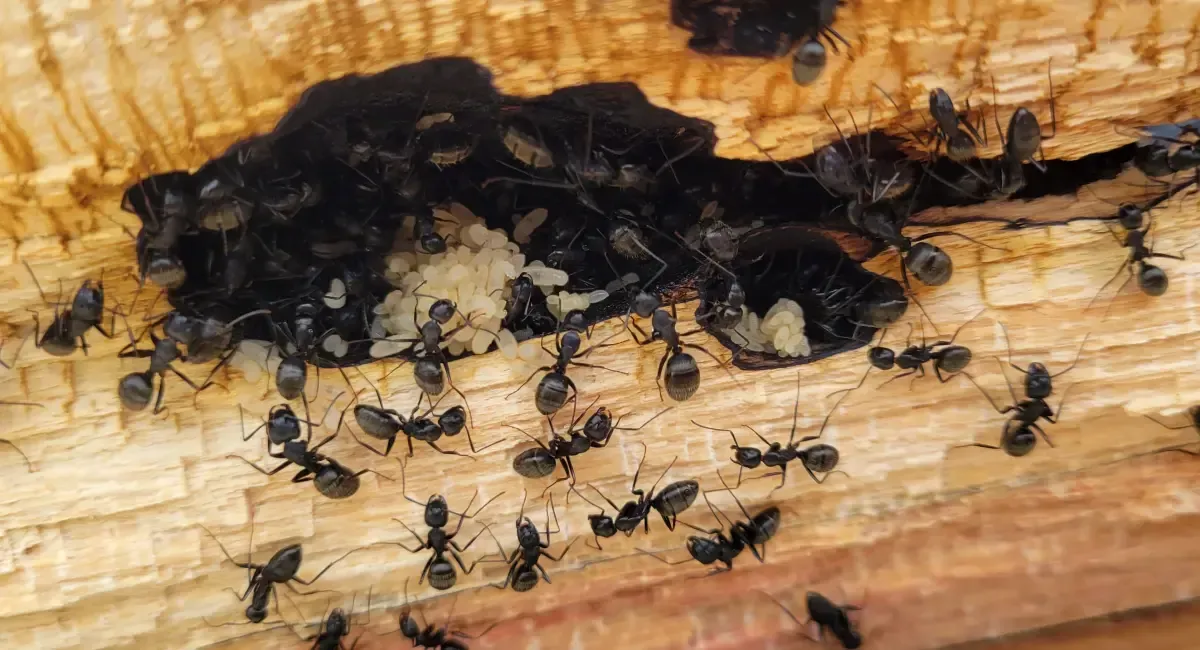
Carpenter ants are one of the most common pest issues homeowners deal with in Michigan, and they are often misunderstood.
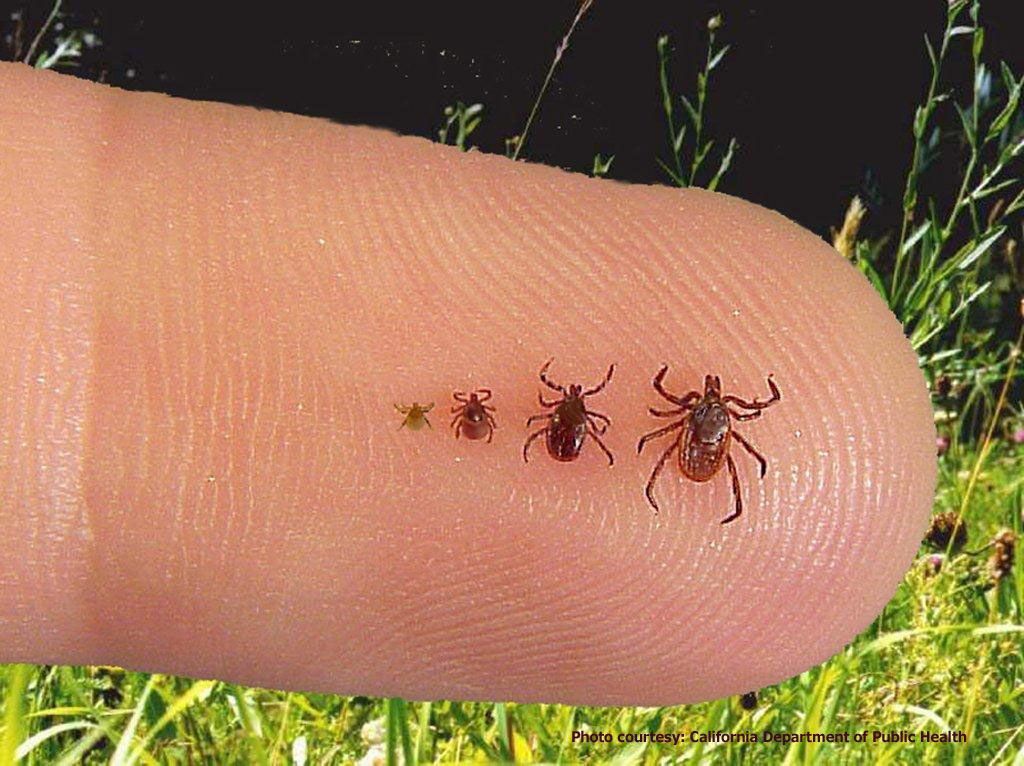
Ticks have become one of the fastest-growing pest concerns for homeowners across Michigan.
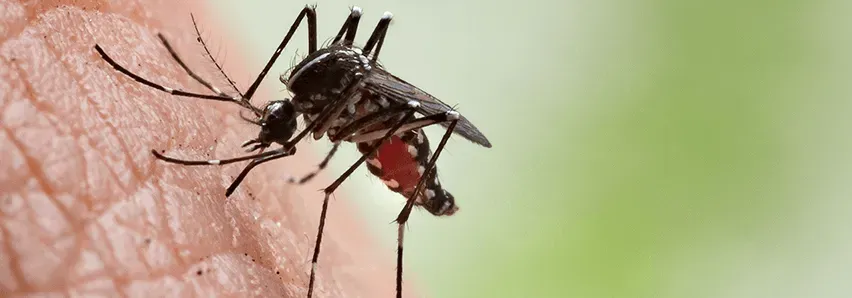
Mosquitoes are getting worse every year in Michigan, you’re not imagining it.
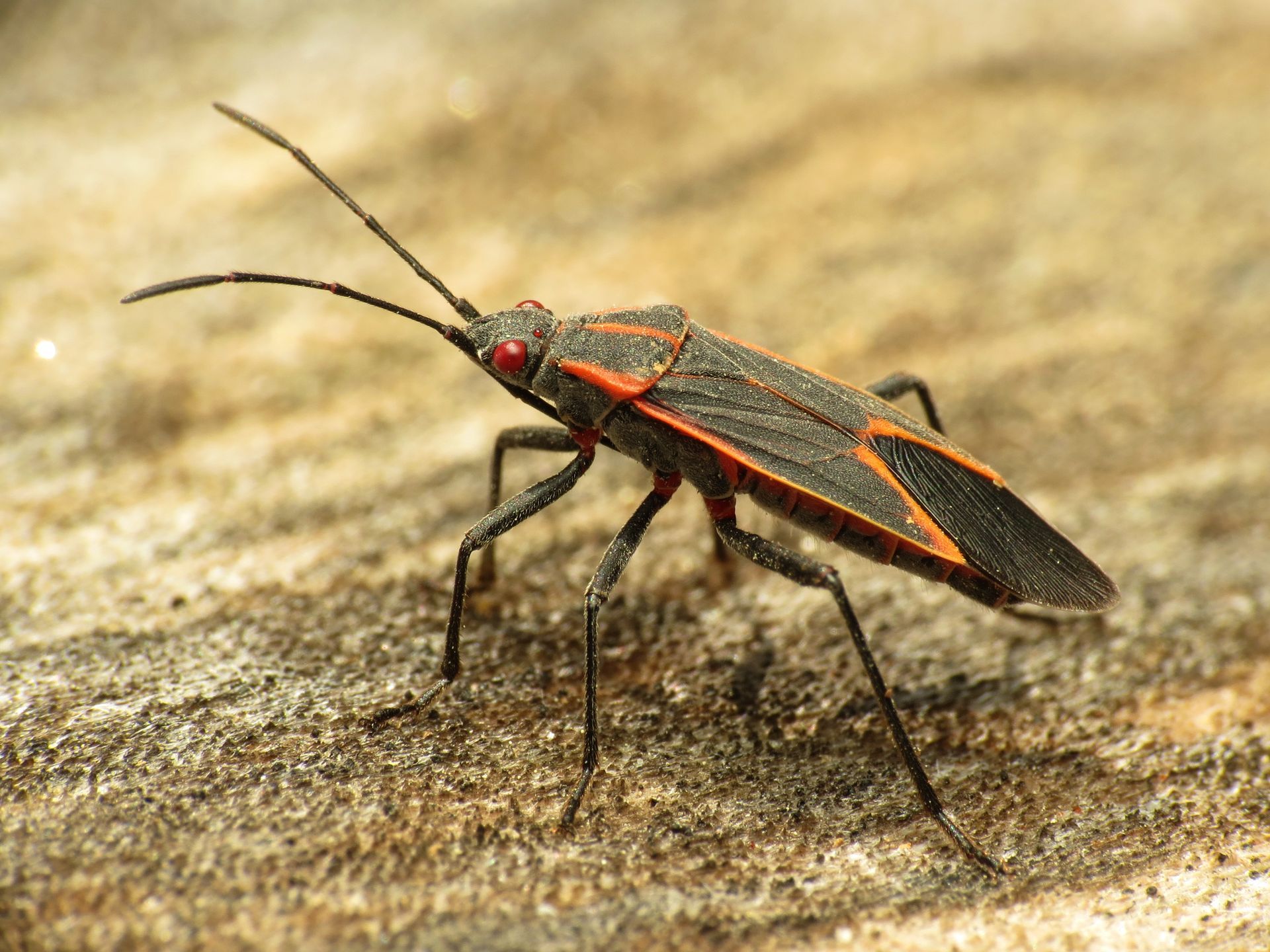
At Anteater Pest Control , we get a lot of questions about a specific, red-and-black insect that seems to appear out of nowhere in massive clusters. If you’ve seen these bugs congregating on your siding or windowsills, you’re likely dealing with Boxelder bugs. While they aren’t the most destructive pests we deal with, their presence in large numbers can be a major nuisance. Here is everything you need to know about identifying, managing, and preventing Boxelder bugs. Identification: Is it a Boxelder Bug? Before you take action, you have to know what you’re looking at. Boxelder bugs (Boisea trivittata) are easily identified by a few key features: Color : Dark brownish-black with three distinct reddish-orange stripes on the thorax (the area behind the head). Shape : An elongated, flattened oval shape, roughly 1/2 inch long. Wings : They have overlapping wings that form a distinct "X" shape on their backs. Why Are They Choosing Your Home? Boxelder bugs are highly attracted to heat and light. They are often found on the south and west-facing walls of buildings because those surfaces absorb the most sunlight. Their primary food source is the seed of the Boxelder tree, though they also frequent Maple and Ash trees. If you have these trees on or near your property, your home is essentially a "luxury resort" for them—providing food nearby and a warm place to rest. The "Nuisance" Factor The good news? Boxelder bugs do not bite, they don’t sting, and they don’t carry diseases. They also won't eat your food or damage your furniture. However, they present two main problems: Staining : If crushed, their body fluids can leave a permanent reddish-orange stain on curtains, carpets, and upholstery. Odors : When threatened or squashed, they release a pungent, foul-smelling defensive odor. Professional Solutions When Boxelder bugs move from a few sightings to a full-scale invasion, DIY methods often fall short. Because these bugs can hide deep within wall voids, professional intervention is the most reliable way to create a lasting perimeter barrier. At Anteater Pest Control, we use targeted treatments to stop these pests before they find their way into your living space. We don't just treat the symptoms; we help you identify the entry points to keep your home secure. Is your home becoming a hangout for Boxelder bugs?
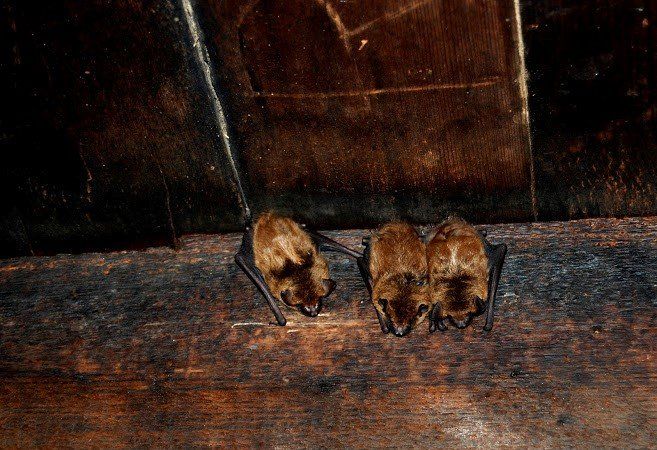
Bats like to hibernate in homes where it is warm and dry. Keep a look out for these signs that bats are sleeping in your home this winter.