
How to Reduce the Risk of Pests Before and After Storms
December 4, 2019

Storms don't just pose a flood risk. Wind and water damage can result in pest problems too. If your home isn't ready for severe weather, take a look at how you can protect it from insect invaders before, after, and during a storm.
Remove Water Collection Points
Leaf-clogged gutters, leftover plant pots, children's toys, and other outdoor items can provide the perfect breeding ground for mosquitoes and other insects. Mosquitoes need water to breed. After they lay their eggs, the larvae typically hatch within 48 hours.
Remove debris from gutters and place any item that could catch or contain water indoors (or in an outdoor shed) before the storm. These simple steps can dramatically reduce the number of potential breeding ground areas. If you forget to clear leaf debris or put your planter pots inside, immediately remove any standing water after the storm or rain.
While mosquitoes are more active in the summer, females can still lay eggs during the cooler months. According to Pest World, females may lay their last batch of eggs for the season when temperatures dip below 50 degrees Fahrenheit. The eggs can stay in a stage of suspended development over the winter months and hatch in the spring.
Keep in mind, even though mosquitoes are a primary concern when it comes to standing water, they aren't the only pests to watch out for. Other insects and rodents are attracted to water as a form of hydration. The removal of all water sources can decrease the risk of a potential pest problem.
Inspect for Water Entry Points
Can water get into your home? Damage to the exterior can allow moisture and stormwater to find its way into the interior. Along with damage to your home, such as wood rot or mold growth, stormwater can also attract pests.
Moist wood flooring, framing, or exterior parts of the walls make easy (and inviting) entry points for pests such as termites and carpenter ants. Fill holes and cracks in your home's exterior, make sure the ground is properly graded, and install exterior or interior drainage as needed. A pre-storm inspection and repair can stop a pest problem before it starts.
Throw Food Away
Did a recent storm cause a prolonged power outage? Spoiled food from a power outage can attract insects and other pests into your home. The U.S. Food and Drug Administration (FDA) recommends removing food from the refrigerator and placing it in a cooler after four hours during a power outage. If you don't have a cooler of the food spoils, don't leave it in your home.
A garbage can filled with food debris will invite unwelcome invaders, such as flies, cockroaches, ants, mice, and other critters. If you have to throw out food after a storm, seal it in thick plastic bags and bring the bags outside. Place the bags in outdoor cans with sealable lids to further reduce the risks of a potential insect invasion.
Inspect for Damage After the Storm
Power outages aren't the only issues that can lead to a potential pest invasion. Wind or hail damage to windows, doors, and other parts of your home's exterior can provide another entry point for insects and rodents.
After the storm is over, carefully inspect the exterior of your home. What may seem like a small crack in a window or a hole in a door can turn into a major problem if you don't repair it quickly. The problem can grow and add to the risk of a potential pest problem.
Do you have a pest problem in your home? Contact Anteater Pest Control Inc. for more information.
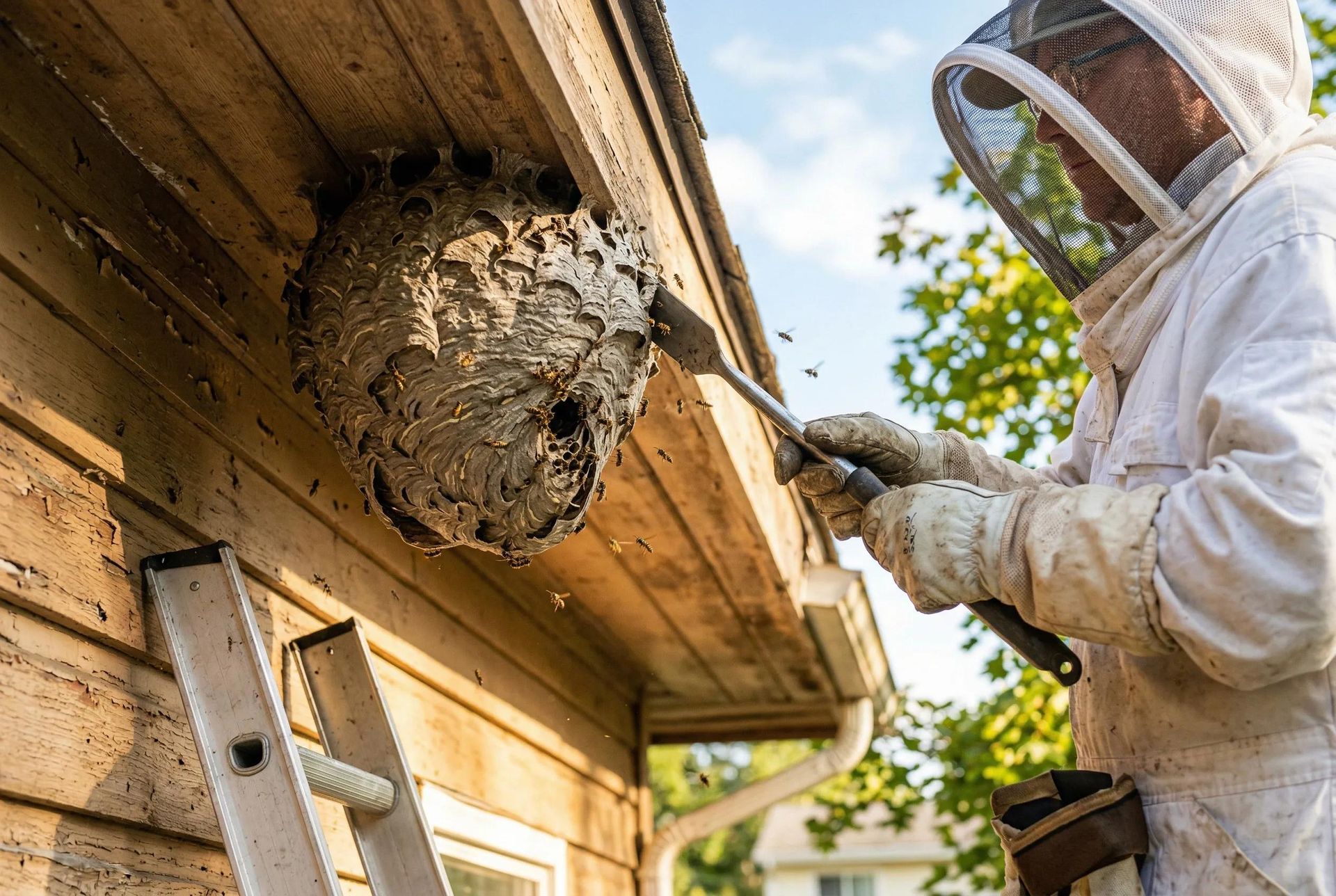
Learn how to prevent wasps, yellowjackets, paper wasps, and bald-faced hornets from nesting around your Michigan home or business, plus what to do when you discover an active nest.
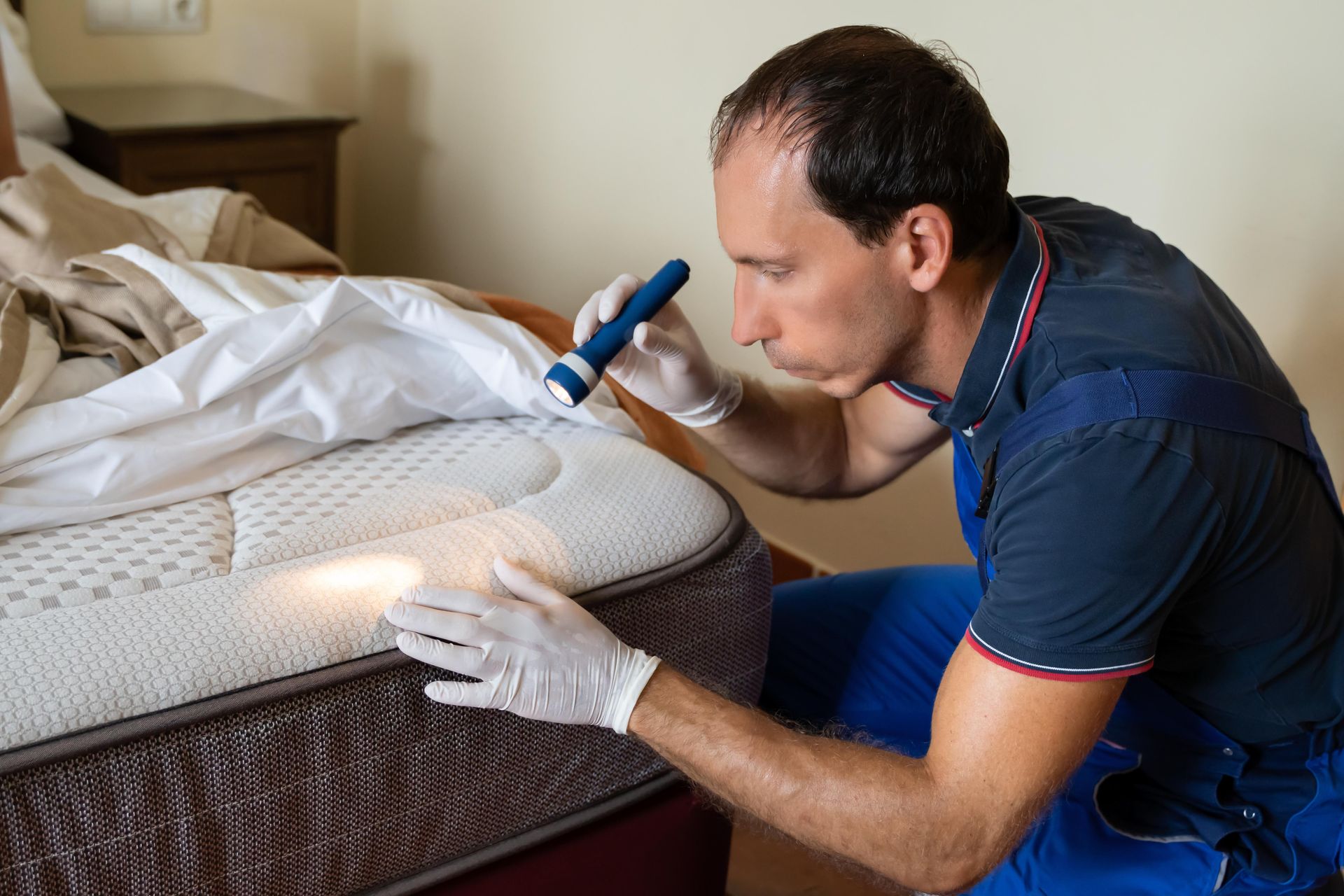
Learn how to identify bed bugs, recognize the signs of an infestation, prevent them from spreading, and understand why professional bed bug treatment is the most effective way to protect your Michigan home or business.
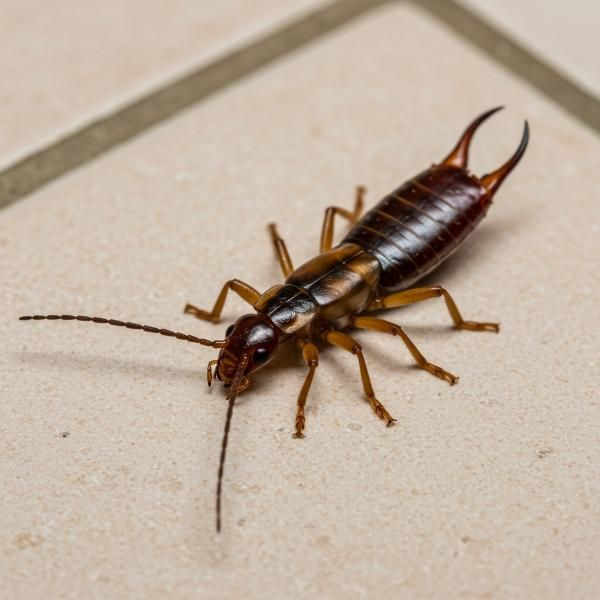
If you've started noticing earwigs crawling around your home, you're not alone. Every summer, homeowners across Michigan see a noticeable increase in earwig activity, especially after periods of rain and humidity. While their appearance can be unsettling, earwigs are more of a nuisance pest than a dangerous one. Understanding why they're showing up and how to prevent them can help you keep your home comfortable all season long.
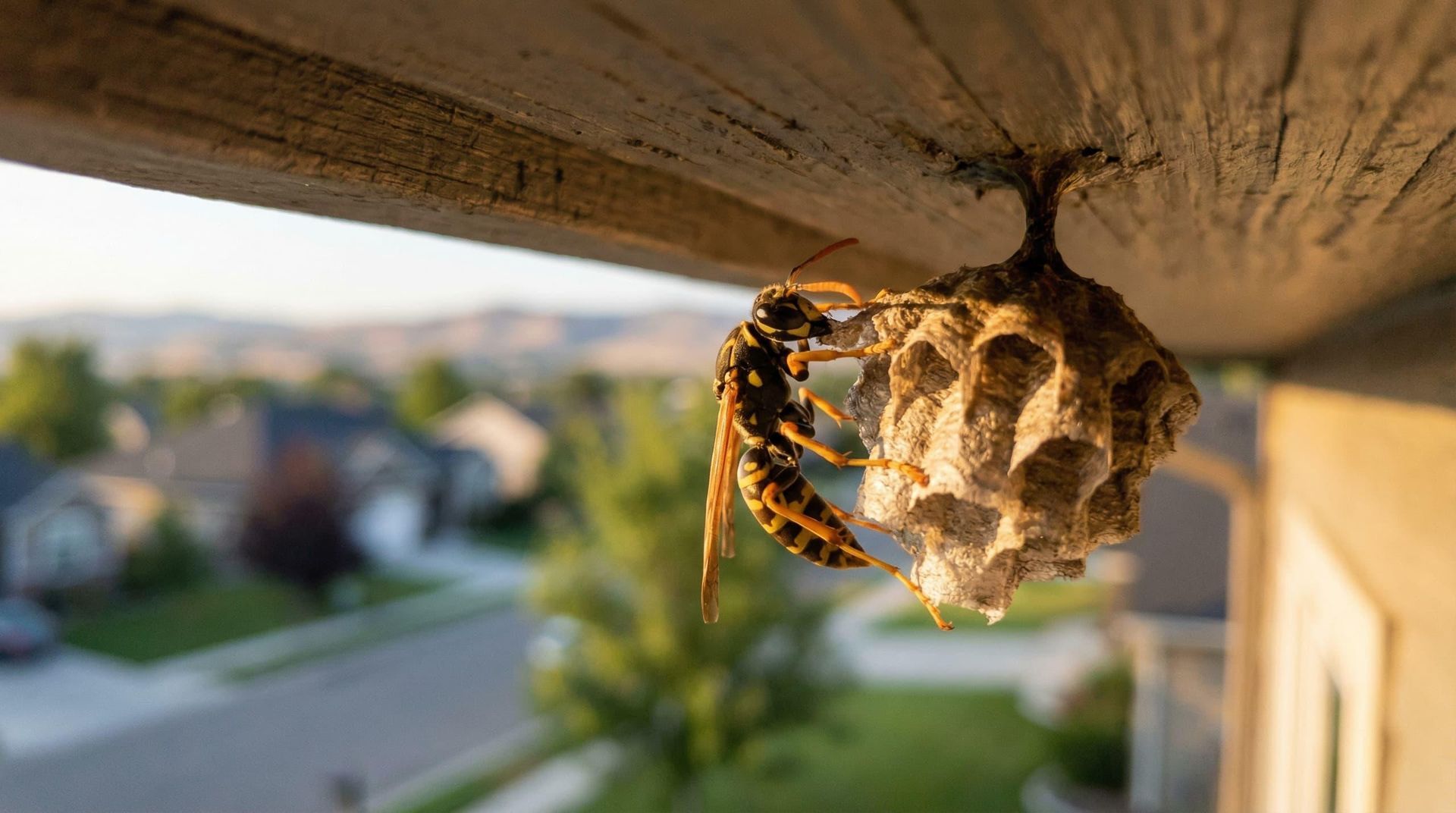
Everything Michigan homeowners need to know about wasp season, nest prevention, common nesting locations, and protecting their home from stinging insects.
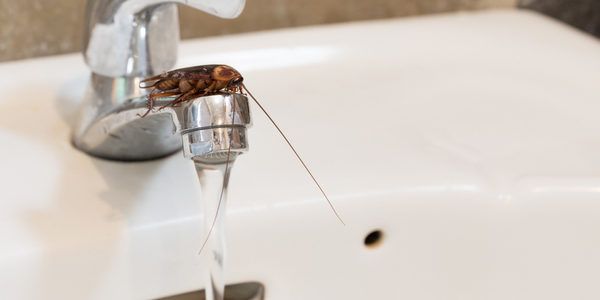
The Hidden Connection Between Moisture and Pest Problems
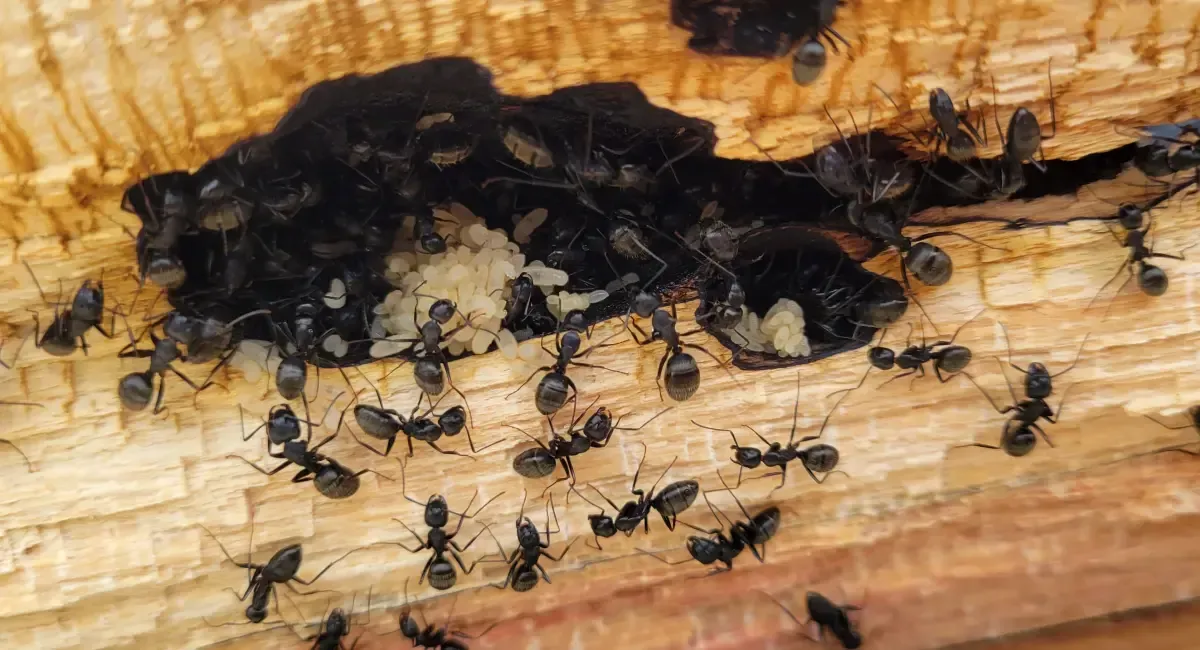
Carpenter ants are one of the most common pest issues homeowners deal with in Michigan, and they are often misunderstood.
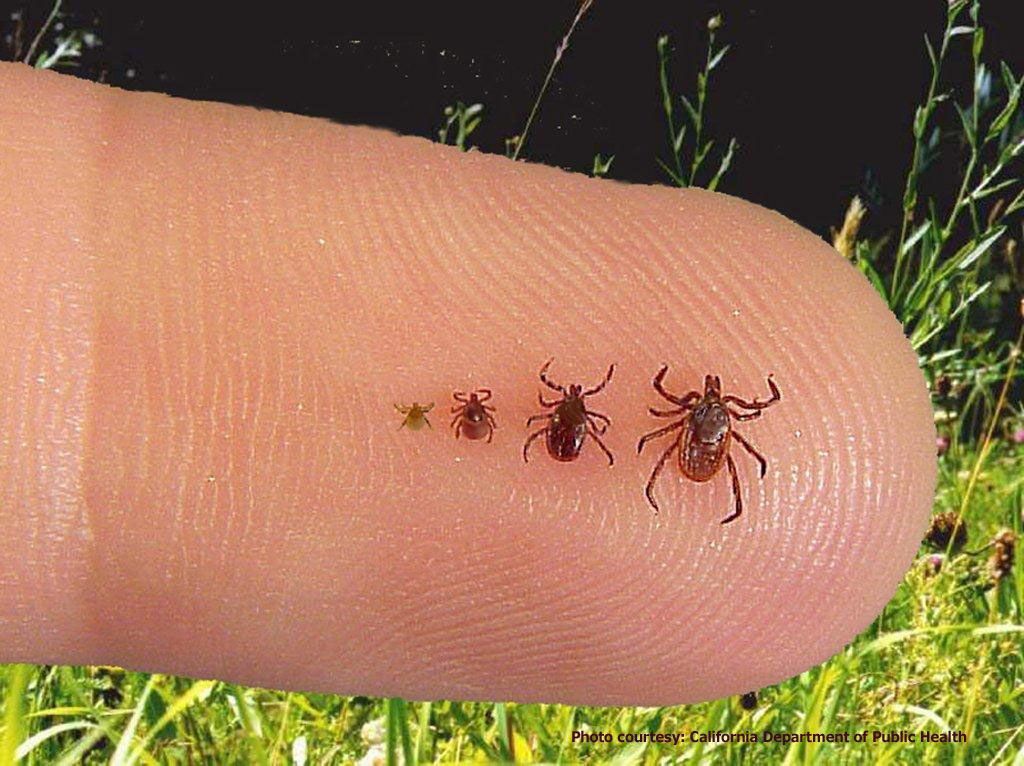
Ticks have become one of the fastest-growing pest concerns for homeowners across Michigan.
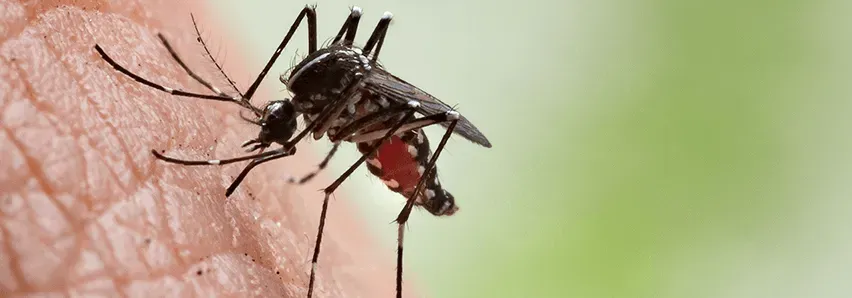
Mosquitoes are getting worse every year in Michigan, you’re not imagining it.
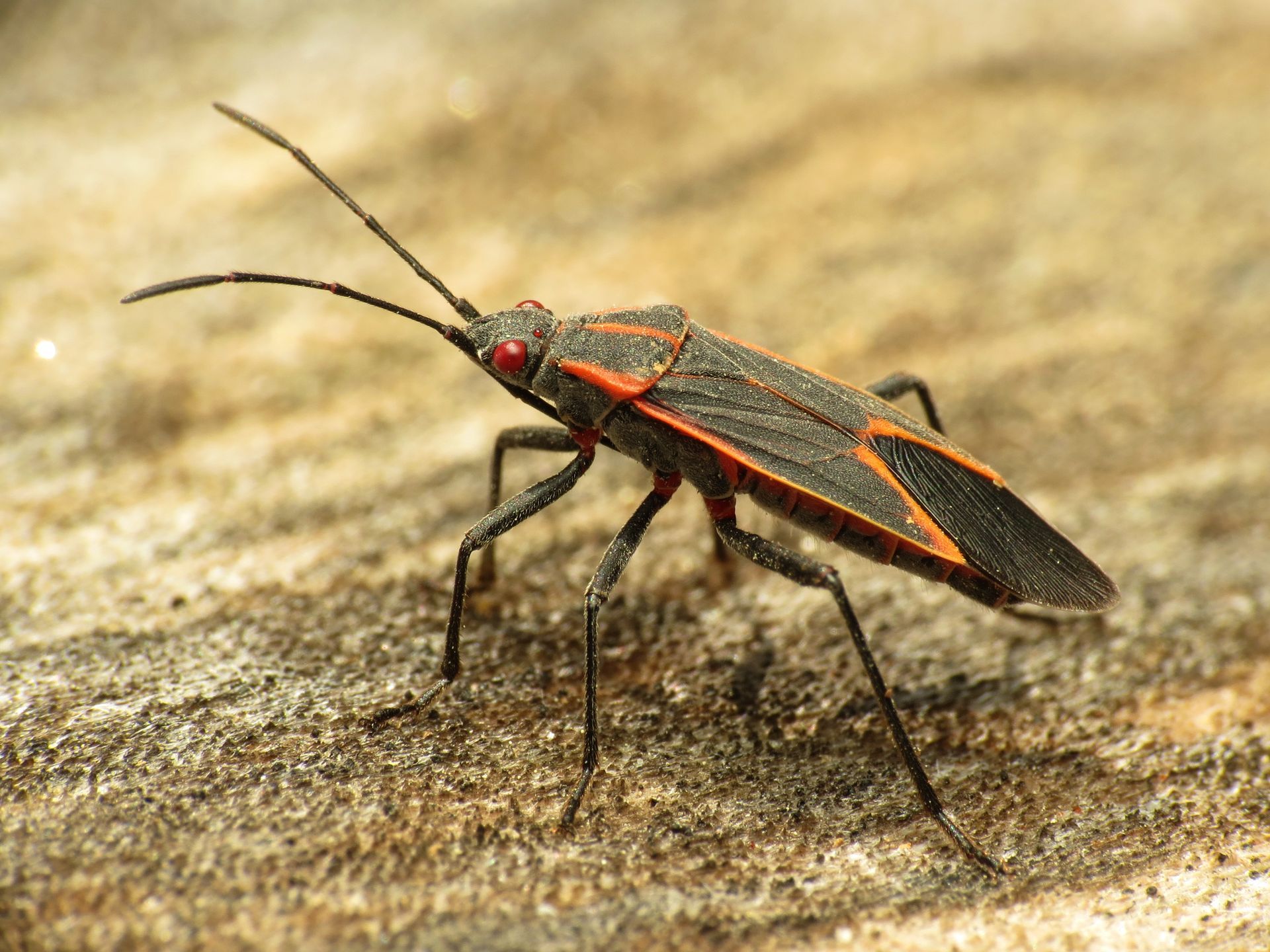
At Anteater Pest Control , we get a lot of questions about a specific, red-and-black insect that seems to appear out of nowhere in massive clusters. If you’ve seen these bugs congregating on your siding or windowsills, you’re likely dealing with Boxelder bugs. While they aren’t the most destructive pests we deal with, their presence in large numbers can be a major nuisance. Here is everything you need to know about identifying, managing, and preventing Boxelder bugs. Identification: Is it a Boxelder Bug? Before you take action, you have to know what you’re looking at. Boxelder bugs (Boisea trivittata) are easily identified by a few key features: Color : Dark brownish-black with three distinct reddish-orange stripes on the thorax (the area behind the head). Shape : An elongated, flattened oval shape, roughly 1/2 inch long. Wings : They have overlapping wings that form a distinct "X" shape on their backs. Why Are They Choosing Your Home? Boxelder bugs are highly attracted to heat and light. They are often found on the south and west-facing walls of buildings because those surfaces absorb the most sunlight. Their primary food source is the seed of the Boxelder tree, though they also frequent Maple and Ash trees. If you have these trees on or near your property, your home is essentially a "luxury resort" for them—providing food nearby and a warm place to rest. The "Nuisance" Factor The good news? Boxelder bugs do not bite, they don’t sting, and they don’t carry diseases. They also won't eat your food or damage your furniture. However, they present two main problems: Staining : If crushed, their body fluids can leave a permanent reddish-orange stain on curtains, carpets, and upholstery. Odors : When threatened or squashed, they release a pungent, foul-smelling defensive odor. Professional Solutions When Boxelder bugs move from a few sightings to a full-scale invasion, DIY methods often fall short. Because these bugs can hide deep within wall voids, professional intervention is the most reliable way to create a lasting perimeter barrier. At Anteater Pest Control, we use targeted treatments to stop these pests before they find their way into your living space. We don't just treat the symptoms; we help you identify the entry points to keep your home secure. Is your home becoming a hangout for Boxelder bugs?
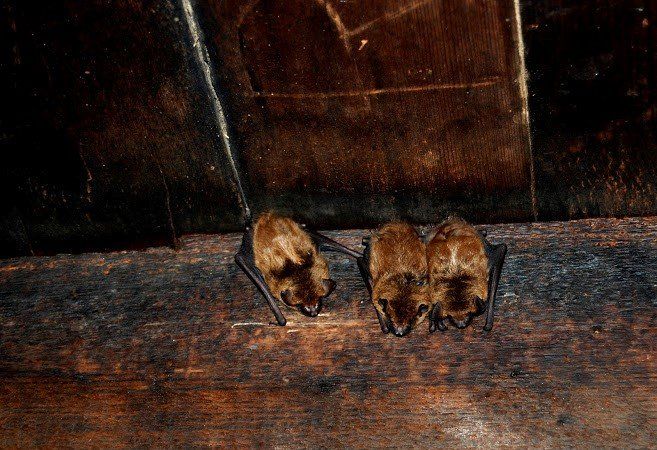
Bats like to hibernate in homes where it is warm and dry. Keep a look out for these signs that bats are sleeping in your home this winter.