
Bee Aware: 6 Interesting Facts About Bees
August 3, 2018
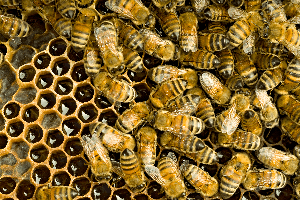
They pollinate flowers, and their stings are painful. Most people know these basics about bees, but how much else do you know about these buzzing insects? Bees are highly complex creatures, and while they play an important role in ecology, they can also be a threat to your home and health. Read on to learn six interesting facts about bees that will help you deal with these insects properly.
1. There Are More Than 25,000 Species of Bees
About 4,000 of these bee species live in the United States. All bee species belong to the superfamily Apoidea. Most of the better-known bees, including honeybees and bumblebees, belong to the family Apidea. Actually, honeybees are not even a single species, but rather a group of 10 similar, related species. Most people who raise honeybees raise a species known as the European honeybee, or Apis Mellifera.
2. Bee Colonies Have Complex Social Structures
A colony is more than a group of bees that share a hive. Each bee has its own role in the colony. The queen produces eggs that later become adult bees. The worker bees build the nest and forage for nectar, which is later transformed into honey. More than 50,000 bees can live in a single, mature honeybee hive, which is one reason why you should always have a hive removed as soon as you discover it.
3. Honey Is the Only Insect-Produced Foodstuff That Humans Eat
Honey is the only food product humans consume that is produced by insects, and it is more than just tasty. It has been found to help heal wounds and soothe coughs.
Because of honey production, humans have a very interesting, complex relationship with bees. Although homeowners do not want bees building nests in their home or on their property, humans do rely on beehives — usually those developed in a captivity-like setting — to produce honey. Because of this, honeybees that build hives in homes can sometimes be relocated to bee farms where their honey can be put to use.
4. Bees Have an Excellent Sense of Smell
Honeybees have 170 odor receptors, and they are more sensitive to odors than are fruit flies or mosquitoes. They use this sense of smell not only to find food but to detect pheromones released by other bees. This ability helps a bee determine which bees are related to them, where a bee sits in the social structure of the hive, and where other bees are located.
Bees' excellent sense of smell is one reason they're able to work together to build such complex hives.
5. Bees' Nests Can Cause Substantial Damage
Most people think of stinging as the main threat posed by bees. However, the structural damage caused by bee nests is just as serious of a problem. Bees may initially enter through a crack and form a small nest inside, but they will keep building the nest until it completely fills the cavity.
As a nest grows larger, it starts causing the walls to bow and warp. Bee waste and honey may also seep through and stain walls. The sooner you notice and get rid of a bees' nest, the less damage you'll need to repair.
6. Bees Die When They Sting
Many people cower and hide when they see a bee, afraid that they might get stung. In reality, a bee is unlikely to come after you and sting you unless you directly threaten it. When a bee stings a human or another mammal, its stinger gets stuck in the animal's skin and breaks off. This kills the bee. Therefore, most bees are not motivated to sting unless they feel they have no other choice. If you see a bee and just ignore it, you should be safe.
Bees are essential for the production of honey, and a bee in the wild poses little threat. However, if you notice a bees' nest on your property, you must take action quickly to prevent damage. Contact
Anteater Pest Control Inc. for bee removal services in the Waterford area.
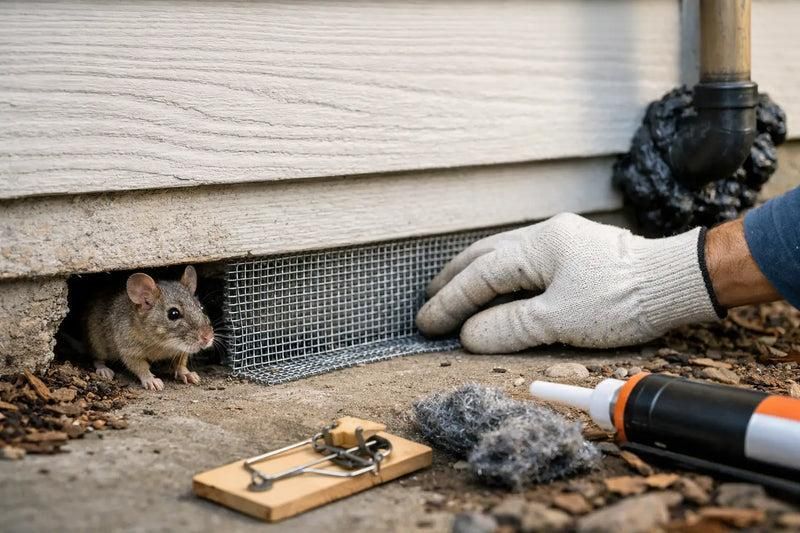
Rodent Proofing for Michigan Homes | Anteater Pest Control
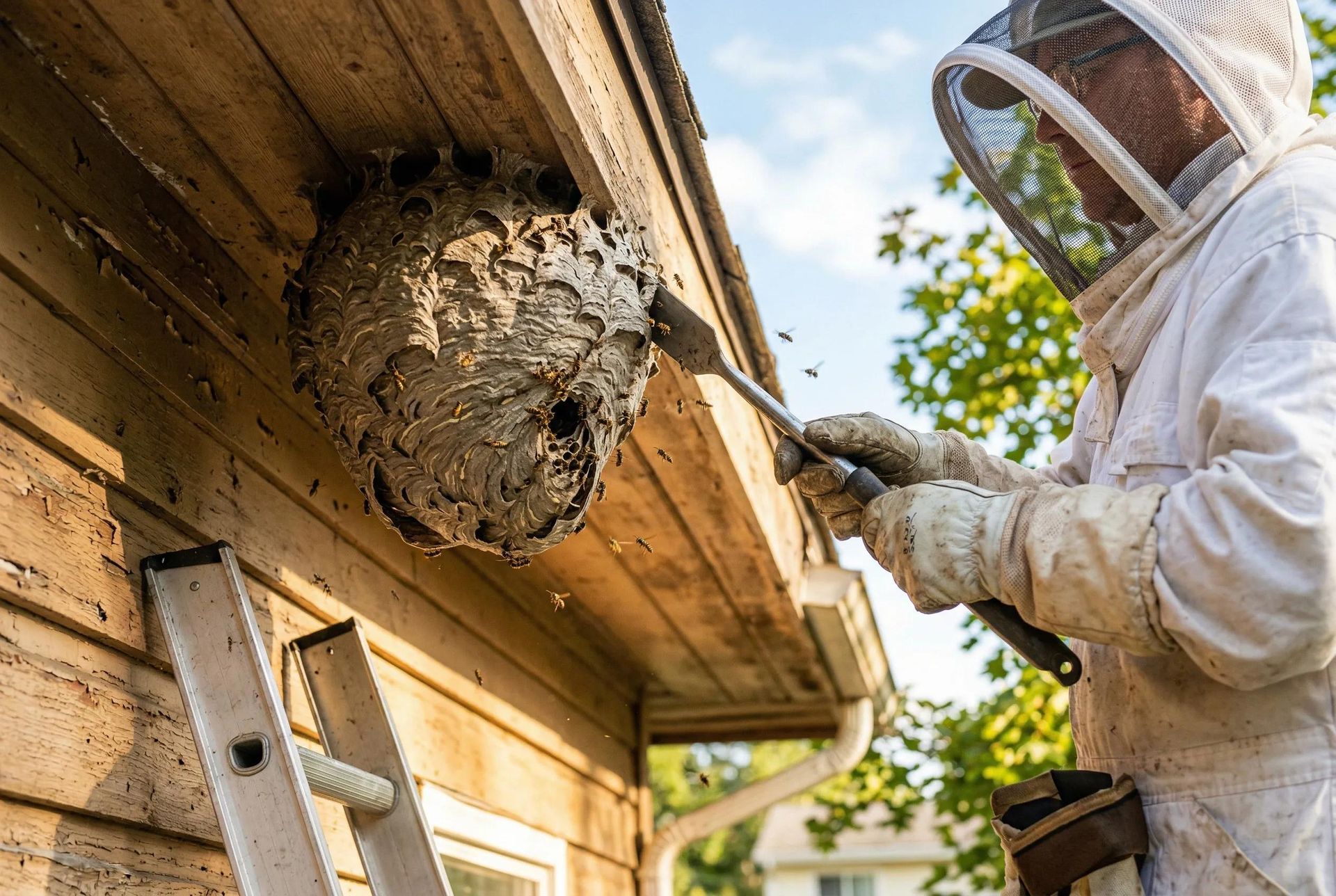
Learn how to prevent wasps, yellowjackets, paper wasps, and bald-faced hornets from nesting around your Michigan home or business, plus what to do when you discover an active nest.

Learn how to identify bed bugs, recognize the signs of an infestation, prevent them from spreading, and understand why professional bed bug treatment is the most effective way to protect your Michigan home or business.
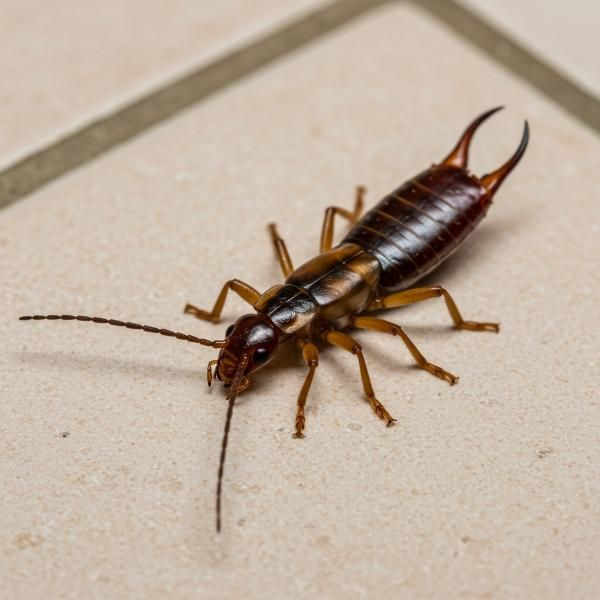
If you've started noticing earwigs crawling around your home, you're not alone. Every summer, homeowners across Michigan see a noticeable increase in earwig activity, especially after periods of rain and humidity. While their appearance can be unsettling, earwigs are more of a nuisance pest than a dangerous one. Understanding why they're showing up and how to prevent them can help you keep your home comfortable all season long.
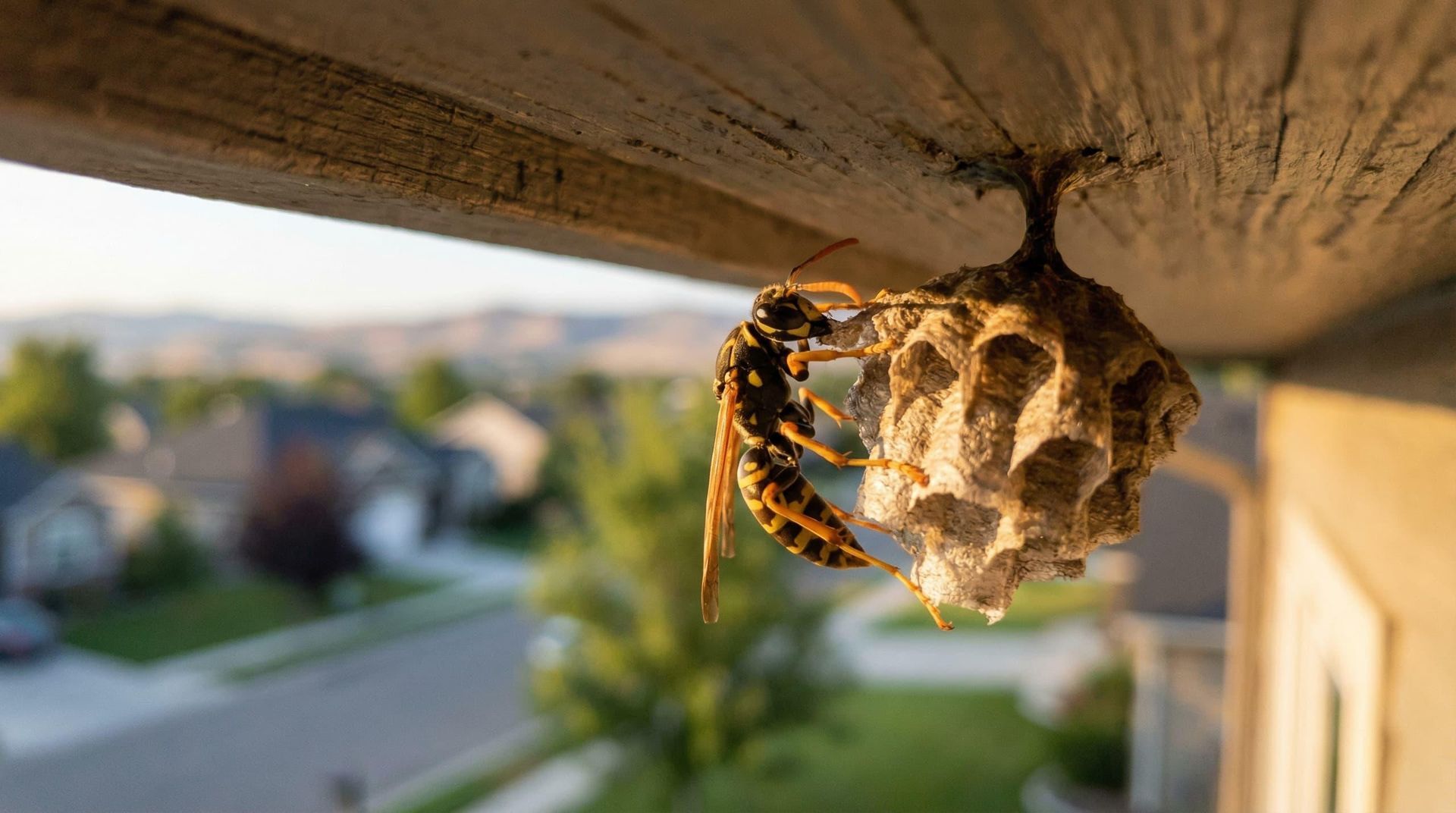
Everything Michigan homeowners need to know about wasp season, nest prevention, common nesting locations, and protecting their home from stinging insects.
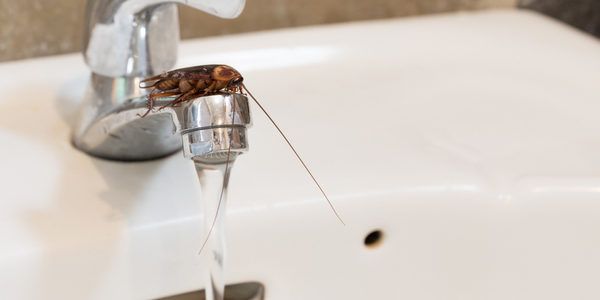
The Hidden Connection Between Moisture and Pest Problems
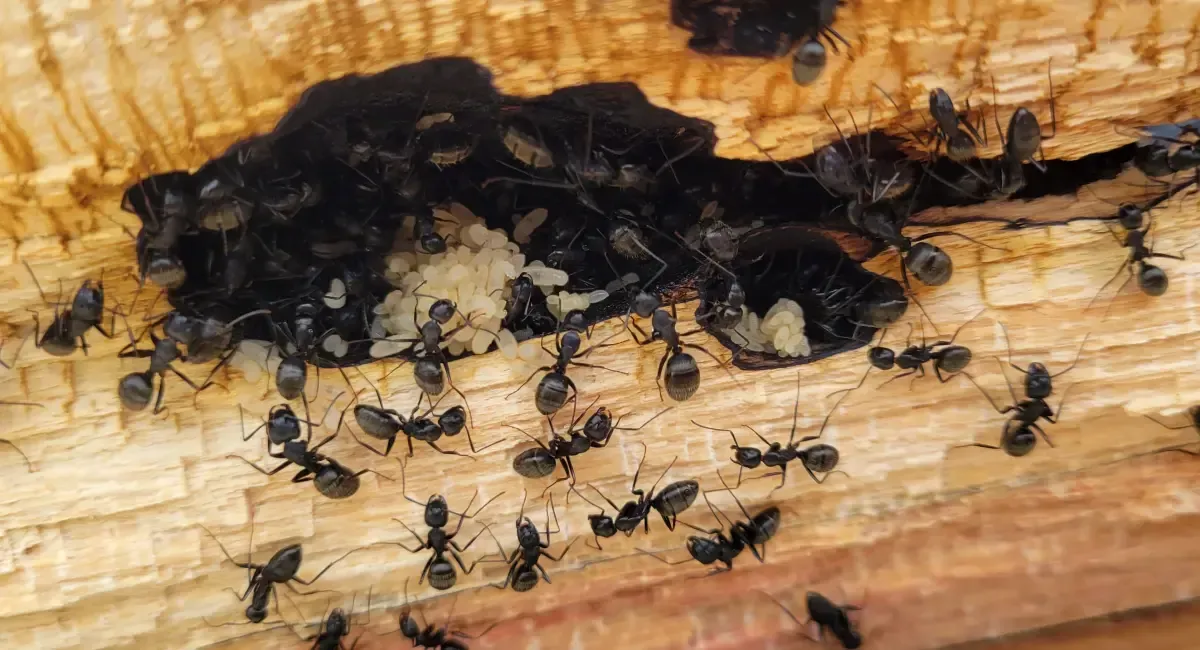
Carpenter ants are one of the most common pest issues homeowners deal with in Michigan, and they are often misunderstood.
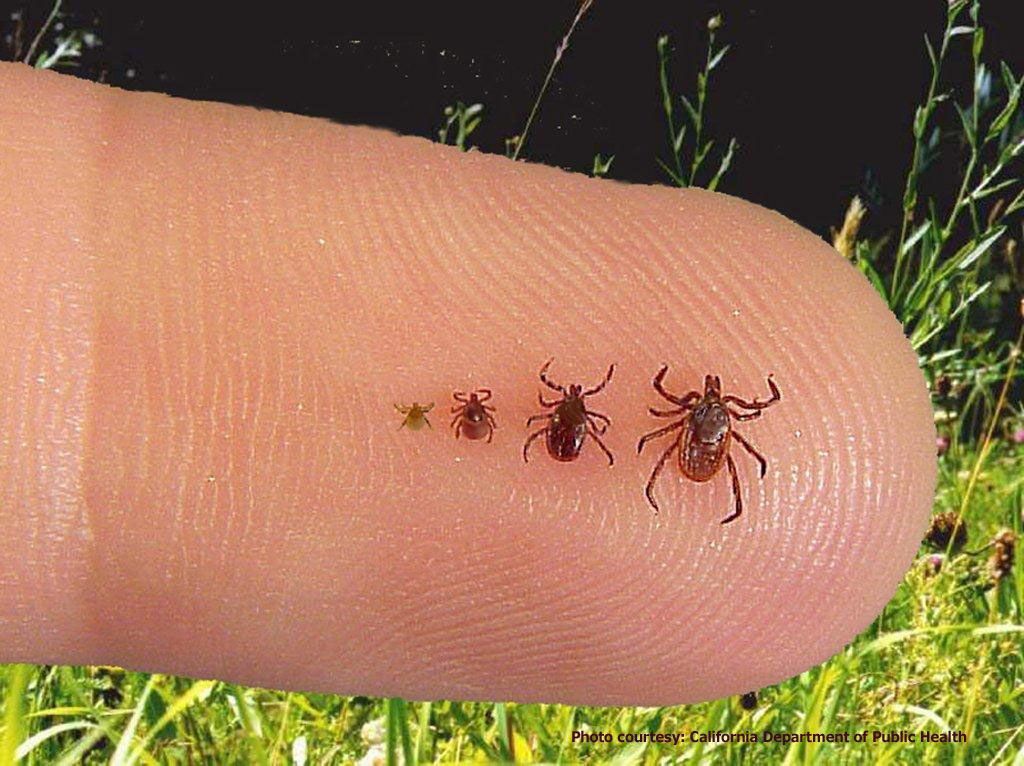
Ticks have become one of the fastest-growing pest concerns for homeowners across Michigan.
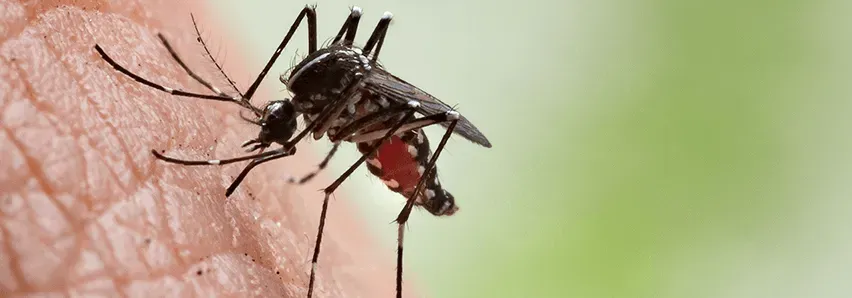
Mosquitoes are getting worse every year in Michigan, you’re not imagining it.
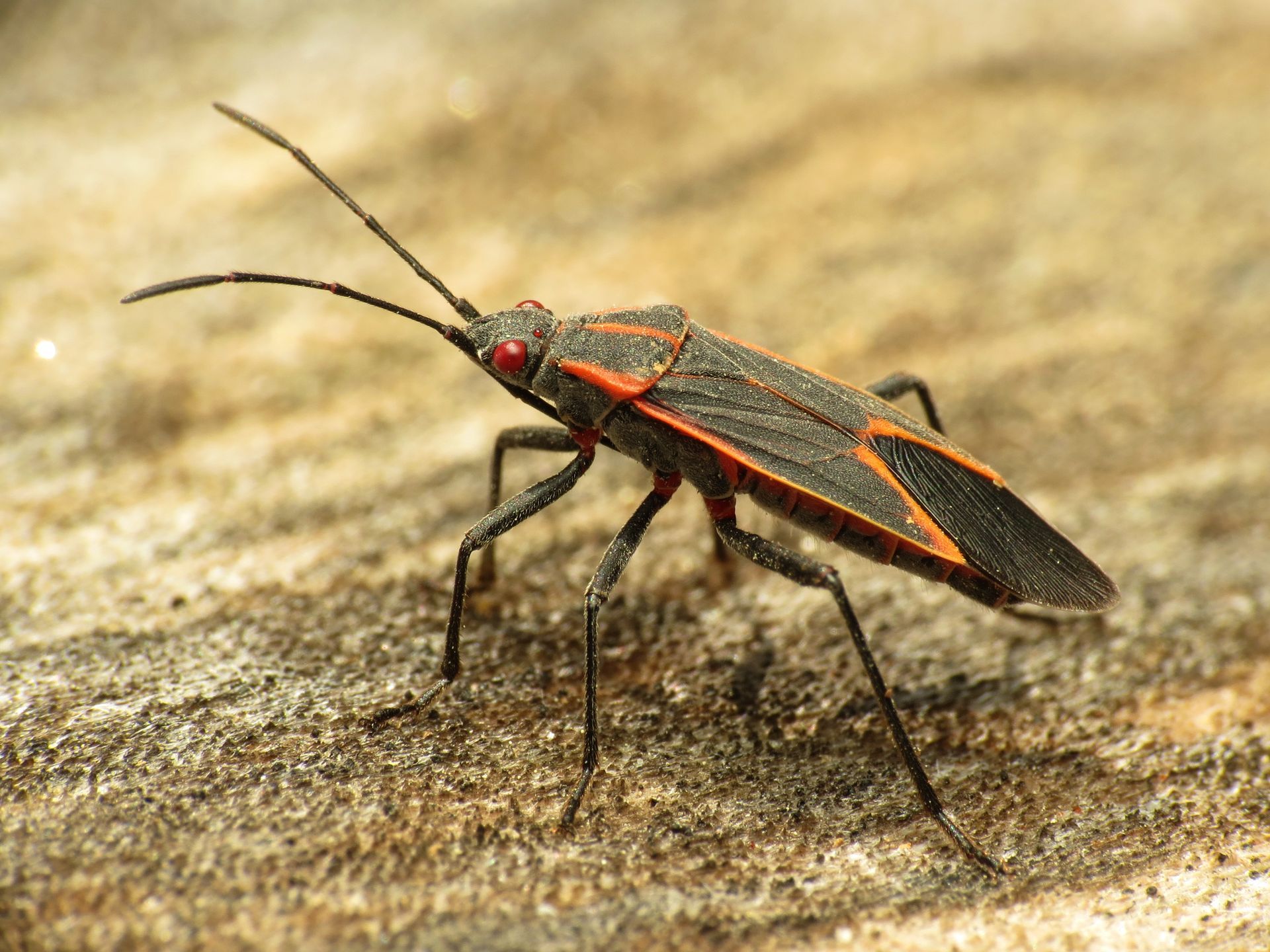
At Anteater Pest Control , we get a lot of questions about a specific, red-and-black insect that seems to appear out of nowhere in massive clusters. If you’ve seen these bugs congregating on your siding or windowsills, you’re likely dealing with Boxelder bugs. While they aren’t the most destructive pests we deal with, their presence in large numbers can be a major nuisance. Here is everything you need to know about identifying, managing, and preventing Boxelder bugs. Identification: Is it a Boxelder Bug? Before you take action, you have to know what you’re looking at. Boxelder bugs (Boisea trivittata) are easily identified by a few key features: Color : Dark brownish-black with three distinct reddish-orange stripes on the thorax (the area behind the head). Shape : An elongated, flattened oval shape, roughly 1/2 inch long. Wings : They have overlapping wings that form a distinct "X" shape on their backs. Why Are They Choosing Your Home? Boxelder bugs are highly attracted to heat and light. They are often found on the south and west-facing walls of buildings because those surfaces absorb the most sunlight. Their primary food source is the seed of the Boxelder tree, though they also frequent Maple and Ash trees. If you have these trees on or near your property, your home is essentially a "luxury resort" for them—providing food nearby and a warm place to rest. The "Nuisance" Factor The good news? Boxelder bugs do not bite, they don’t sting, and they don’t carry diseases. They also won't eat your food or damage your furniture. However, they present two main problems: Staining : If crushed, their body fluids can leave a permanent reddish-orange stain on curtains, carpets, and upholstery. Odors : When threatened or squashed, they release a pungent, foul-smelling defensive odor. Professional Solutions When Boxelder bugs move from a few sightings to a full-scale invasion, DIY methods often fall short. Because these bugs can hide deep within wall voids, professional intervention is the most reliable way to create a lasting perimeter barrier. At Anteater Pest Control, we use targeted treatments to stop these pests before they find their way into your living space. We don't just treat the symptoms; we help you identify the entry points to keep your home secure. Is your home becoming a hangout for Boxelder bugs?